

The Intersection of War and Energy Strategy
In March 2026, the world finds itself at a volatile juncture. As military conflict between the U.S. and Iran escalates, the American energy landscape is undergoing a historic shift toward long-term autonomy. TechCrunch reports that Bill Gates’ TerraPower has secured a construction permit from the Nuclear Regulatory Commission (NRC)—the first such permit for a new reactor design in nearly a decade. This approval arrives as a strategic counterpoint to the instability rocking the Middle East, signaling a renewed commitment to advanced nuclear technology as a cornerstone of national security.
The 'Known Unknowns' of the New Iran Conflict
A deep dive by Wired highlights the five major "known unknowns" of the renewed conflict with Iran under the Trump administration. The digital fallout is already severe; Iran’s internet connectivity plummeted by 99% following targeted strikes. This geopolitical volatility has extended to space assets, as satellite provider Planet paused the distribution of imagery over affected regions to prevent "adversarial actors" from conducting real-time battle damage assessments. Google Trends reflects this global anxiety, with search interest in "oil prices" and "war news" hitting 85 in California, demonstrating that energy security is the public’s primary concern as regional stability crumbles.
TerraPower: A Generational Leap in Nuclear Tech
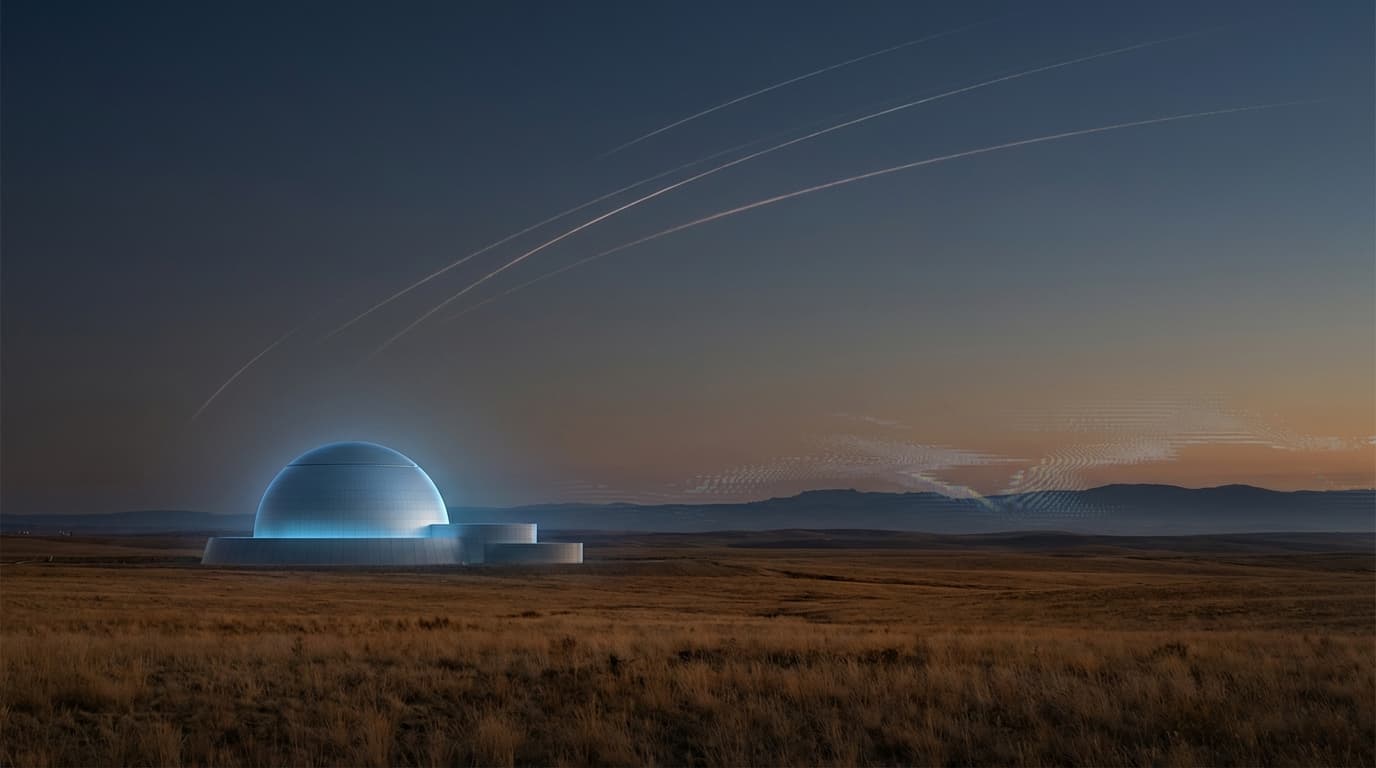
While traditional energy routes face threats from regional warfare, TerraPower offers a glimpse into a decentralized, clean energy future. Utilizing sodium-cooled fast reactor technology, the Wyoming-based project aims to replace aging coal plants with high-efficiency nuclear power. This permit is the first of its kind issued by the NRC in ten years, marking a pivot in U.S. policy toward advanced fission technology. TechCrunch notes that the project is not just a commercial venture but a critical test for the next generation of American power infrastructure, aimed at reducing reliance on global fossil fuel markets.
The Role of Satellite Data in Modern Warfare
Modern transparency is becoming a tactical liability. Ars Technica reports that Planet’s decision to withhold satellite imagery underscores the unprecedented power—and responsibility—of private data providers in wartime. When commercial satellites can pinpoint the exact impact of an Iranian drone strike, that data becomes strategic intelligence. This era of "transparent warfare" challenges traditional military secrecy, as even consumer-grade technologies are co-opted for state-level maneuvers, from hacking security cameras in Ukraine to monitoring missile batteries in the Gulf.
Outlook: Energy as the New Frontline
The convergence of Middle Eastern conflict and domestic energy breakthroughs paints a clear picture: energy security is now synonymous with national defense. As regional layered defense systems like THAAD and Patriot batteries are tested in the skies over the Gulf, the U.S. is domestically investing in nuclear assets designed to provide decades of stable power. The focus of geopolitical competition is shifting from the control of oil fields to the mastery of advanced energy technologies. TerraPower’s approval is a defining moment, suggesting that the path to peace may be paved with advanced reactors rather than just diplomatic treaties.