
Shadows in the Halls of Power: Federal Integrity Under Fire
On March 10, 2026, two explosive scandals rocked the upper echelons of the U.S. federal government. A prominent member of the Department of Government Efficiency (DOGE) was accused of stealing a massive volume of Social Security data, while simultaneous reports emerged that the Department of Homeland Security (DHS) had ousted privacy officers who questioned the legality of recent executive orders. Together, these events highlight a dangerous erosion of data privacy and legal oversight in the current administration’s push for radical efficiency.
The DOGE Data Heist: Personal Secrets on a Thumb Drive
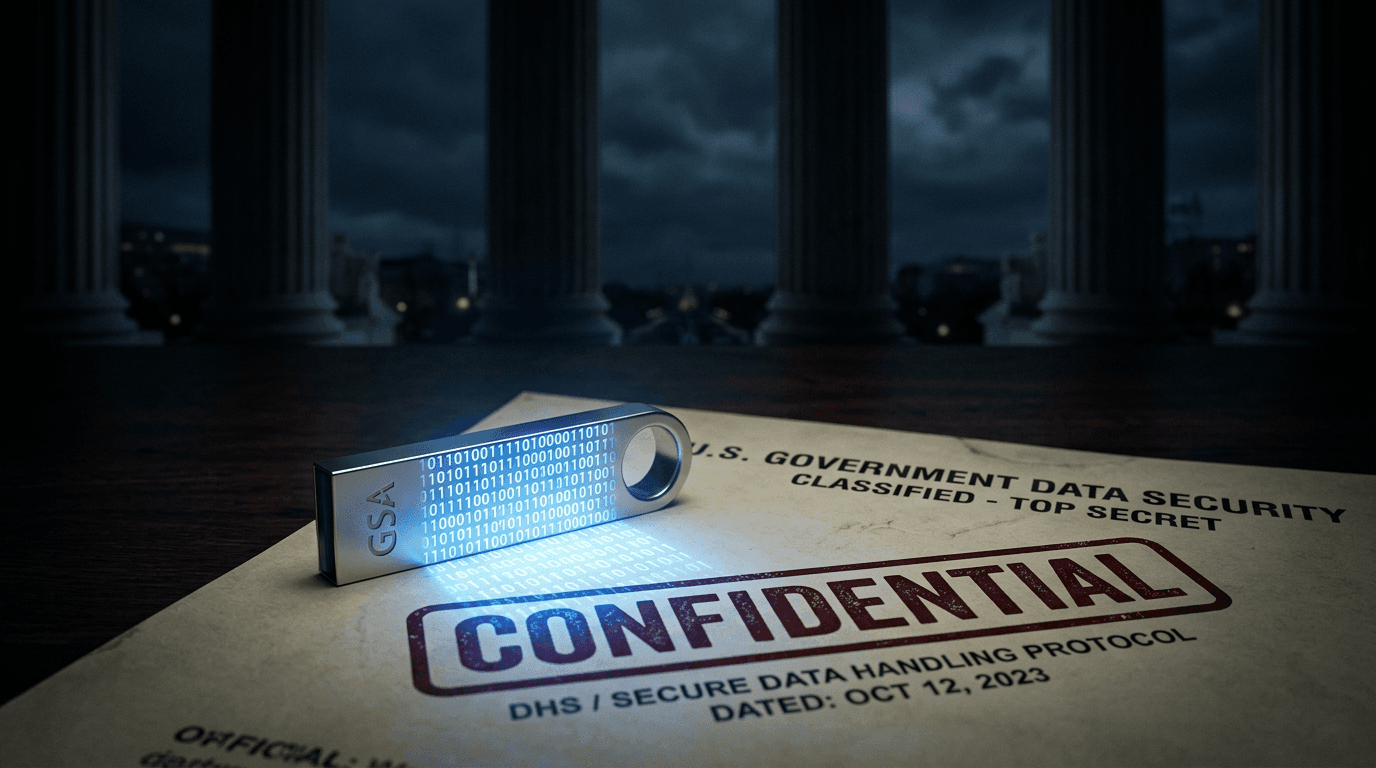
TechCrunch reported that a whistleblower has come forward with allegations against a former Social Security Administration employee who recently joined the DOGE task force. The individual is accused of copying sensitive personal information belonging to millions of Americans onto a thumb drive. According to the report, the data was intended for 'efficiency modeling' within DOGE and potentially for use in private ventures. Legal experts warn that such actions, if proven, constitute a severe violation of the Privacy Act of 1974 and federal laws against the theft of government property.
Purge at the DHS: Privacy Officers Silenced Over 'Illegal' Orders
An investigation by Wired has uncovered a systematic removal of top privacy officials within the Department of Homeland Security. Leaders at the Customs and Border Protection (CBP) reportedly removed officers who formally objected to orders they deemed illegal. These orders allegedly involved mislabeling government records to prevent their release under the Freedom of Information Act (FOIA). Insiders describe the move as an attempt to block public scrutiny of the administration’s immigration and surveillance policies, effectively decapitating the department’s internal legal compliance units.
Legal Implications: The Conflict Between Efficiency and Compliance
The dual scandals raise critical questions about the limits of executive power. The theft of data for DOGE projects bypasses established security protocols, while the removal of DHS privacy officers may trigger protections under the Whistleblower Protection Act. Law professors argue that if the individuals responsible for ensuring legal compliance can be removed for doing their jobs, the framework designed to protect citizens from government overreach has effectively collapsed.
Public Reaction and Institutional Trust
Although granular Google Trends scores were unavailable during this cycle, social media and legal policy forums have seen an unprecedented spike in engagement regarding 'DOGE data privacy.' Civil liberties groups have already begun drafting lawsuits to compel transparency. The perception that the government’s 'efficiency' drive comes at the cost of personal privacy is significantly damaging public trust in federal digital infrastructure.
Future Outlook: Congressional Scrutiny and Judicial Intervention
Congressional committees are expected to launch immediate inquiries into both matters. For DOGE, the focus will be on the legal authority—or lack thereof—to access and move citizen data across agencies. For the DHS, the priority will be determining whether the removal of privacy officers was a retaliatory act. As AI and big data become central to governance, this integrity crisis serves as a stark warning of the risks inherent in centralized, unchecked technological power.