
A Biotech Breakthrough: From Clinic to Commerce
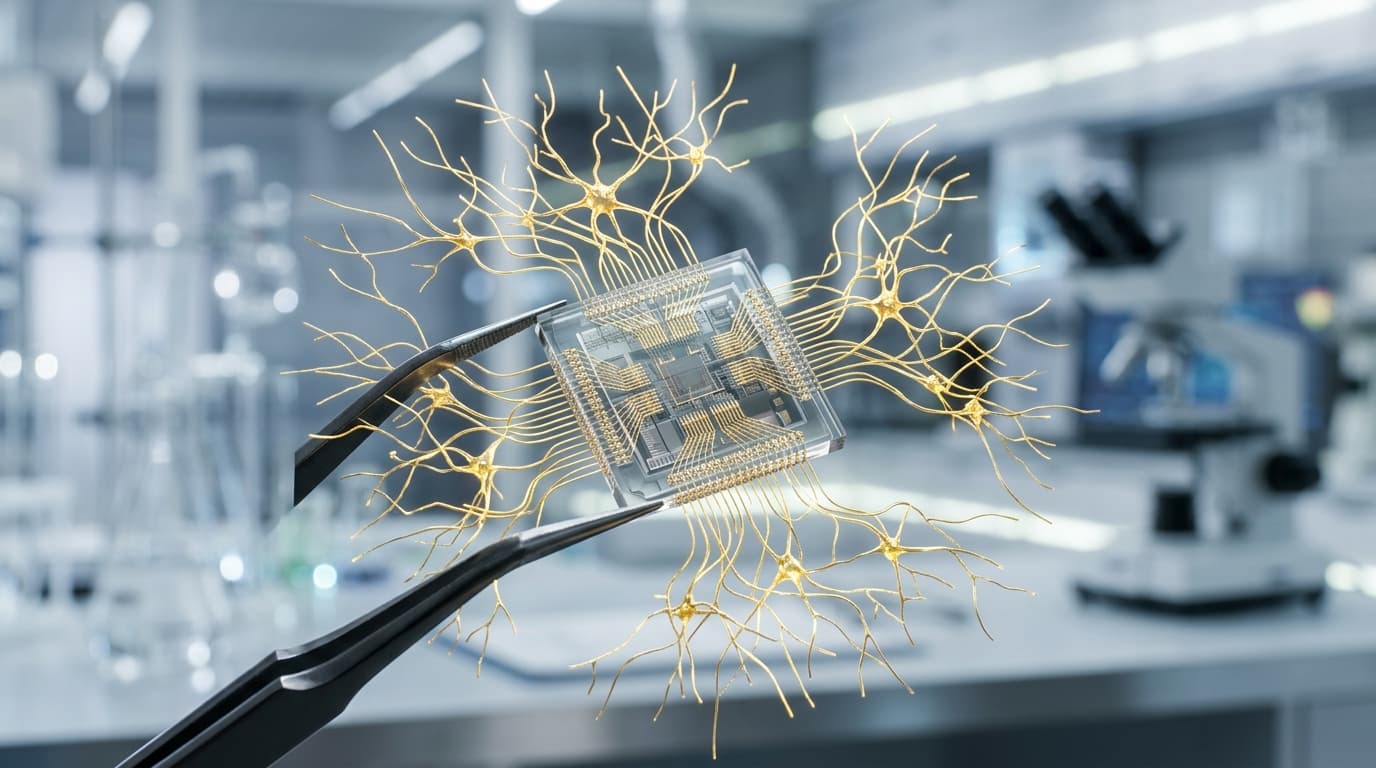
In the high-stakes race for dominance in brain-computer interface (BCI) technology, China has made a decisive move that could shift the industry's center of gravity. As reported by Wired, the Chinese government has officially approved the first BCI chips for direct commercial sale. This development signifies that while Western entities like Elon Musk’s Neuralink remain primarily focused on rigorous, long-term clinical trials, China is aggressively pushing toward the commercialization of brain implants, prioritizing rapid market entry and large-scale data collection.
These newly approved chips are initially targeted at the neuro-rehabilitation market. Recent academic literature from PubMed and IEEE highlights a surge in research from Chinese institutions such as NeuraMatrix and Interbrain between 2025 and 2026. Their findings detail successful implementations of BCI-driven stroke recovery and high-fidelity neural signal decoding, providing the technical validation required for regulatory approval. These advancements indicate that the underlying technology for real-time motor control and neuroplasticity induction is now mature enough for public use in specific medical contexts.
Technical Edge: Signal Integration and Neural Stability
The Chinese BCI chips are distinguished by their high level of integration and biological resilience. Unlike non-invasive headsets that suffer from poor signal-to-noise ratios, these commercialized implants capture high-resolution electrical activity directly from the motor cortex. Analysis of recent patent filings suggests that Chinese researchers have achieved significant breakthroughs in low-power processing and biocompatible coatings, allowing these implants to remain functional inside the human body for extended periods without triggering aggressive immune responses.
The current commercial focus is on "thought-controlled" assistive devices. Paralyzed patients are already using these approved chips to manipulate robotic limbs, control smart wheelchairs, and operate digital interfaces with unprecedented precision. The Chinese government is further supporting this rollout by integrating these procedures into national healthcare insurance frameworks, a move that is expected to drive exponential growth in domestic adoption and public interest.
Global Rivalry: The Clash of Regulatory Philosophies
While the United States and Europe still possess world-leading fundamental research in neurobiology, they are governed by more stringent ethical and regulatory hurdles, such as the FDA's prolonged approval process. Neuralink has successfully demonstrated human implants, but the path to widespread commercial availability in the West remains blocked by years of mandatory safety evaluations. China’s "pilot and scale" model allows for faster product iteration based on real-world usage data, a strategy that—while controversial in Western ethical circles—gives Chinese firms a formidable competitive lead.
Biotechnology analysts warn that BCIs may become the "semiconductors of the mind" over the next decade. The nation that controls the decoding standards and the interface protocols will likely dictate the future of human-computer interaction (HCI). By moving to commercialization now, China is not only advancing medical science but also establishing a foothold in the strategic domain of cognitive enhancement.
Future Outlook: Privacy in the Age of Brain Data
The transition of BCI from clinical curiosity to a commercial product brings profound new risks, specifically regarding neural privacy. When an individual’s thoughts and intentions are translated into digital packets stored in the cloud, the potential for data breaches or cognitive manipulation is unprecedented. While China is leading the charge in technical deployment, it is also pioneering new data security standards tailored specifically for brain activity. However, balancing national dominance in brain science with individual rights remains a global challenge.
Within the next five years, we expect to see BCI products branching out from medical rehabilitation into consumer-grade enhancement, such as focus-monitoring devices for elite athletes or gamers. The long march from "repairing the human body" to "enhancing the human mind" has officially begun in earnest on the streets of Beijing and Shanghai.