

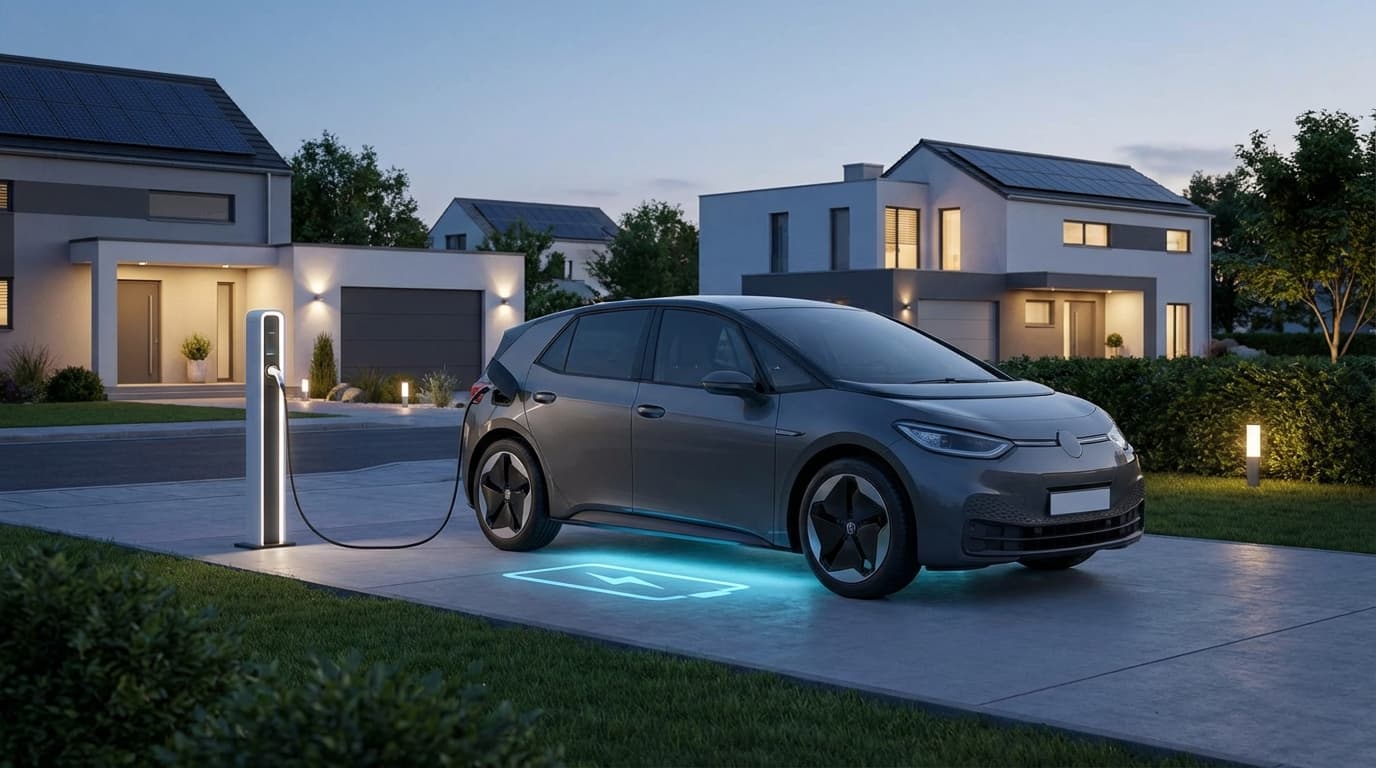
A Legend Reborn: The New Benchmark for Affordable EVs
General Motors (GM) and its Chevrolet brand officially unveiled the highly anticipated 2027 Bolt EV today. After a brief hiatus, the model returns to the market in response to overwhelming consumer demand for affordable electric transportation. According to a review by Ars Technica, the new Bolt retains its approachable charm while undergoing a radical transformation in its core technology.
The most significant upgrade for the 2027 Bolt is the adoption of Lithium Iron Phosphate (LFP) battery technology. Compared to traditional nickel-based chemistries, LFP batteries offer lower production costs, longer cycle life, and enhanced thermal stability. This shift is a pivotal step in GM's strategy to democratize electric vehicle ownership.
Technical Overhaul: Faster Charging and a Modern Cockpit
Beyond battery chemistry, the new Bolt addresses one of the primary complaints of its predecessor: charging speed. Utilizing the latest iteration of the Ultium platform, the 2027 Bolt supports significantly faster DC fast charging, reducing downtime during long trips. Inside, the vehicle features a revamped infotainment system and upgraded, sustainable interior materials.
TechCrunch gave the vehicle a positive review following a test drive, calling it the "McRib of the automotive world"—a simple, classic recipe that the market adores. Analysts suggest that while the industry has been saturated with expensive electric trucks, the 2027 Bolt fills a critical void for vehicles priced under $30,000.
Industry Trends: Rivalry with Rivian R2 and the Mass Market
Chevrolet is not the only player pivoting toward affordability. Rivian has recently increased its strategic focus on the upcoming R2 platform, aiming to capture the compact electric SUV market. Simultaneously, the startup Slate Auto announced a major leadership change today, appointing former Amazon executive Peter Faricy as CEO to accelerate the mass production of its own affordable EV.
These moves reflect a broader market shift from the "early adopter" phase to the "mass market" phase. For the average consumer, brand prestige is secondary to range, charging convenience, and price. LFP batteries, with their superior cost-efficiency, are becoming the standard configuration for this market segment.
Market Data and Consumer Interest
The launch of the 2027 Bolt has sparked widespread conversation across social media. While Google Trends data was limited this week, queries regarding "LFP battery lifespan" and "Bolt 2027 pre-order pricing" have surged on automotive forums. Market analysts predict that if priced correctly, the new Bolt could become one of the best-selling EVs in the U.S. by 2027.
Challenges and Outlook: Supply Chain and Profitability
Despite the optimistic reception, GM faces hurdles. Supply chain stability, particularly for LFP raw materials, remains a concern. Furthermore, the challenge of maintaining profitability on a low-cost model is significant. Historically, many affordable EVs were sold at a loss; however, with increased scale and efficient production, Chevrolet hopes to secure margins through software services and optimized manufacturing.
The success of the 2027 Bolt will serve as a bellwether for General Motors and the broader Detroit automotive industry. If the Bolt proves that affordable EVs are sustainable in the American market, it will encourage more manufacturers to invest in economical models, ultimately accelerating the goal of zero-emission transportation.