
Introduction: The Intersection of Digital Health and Public Policy
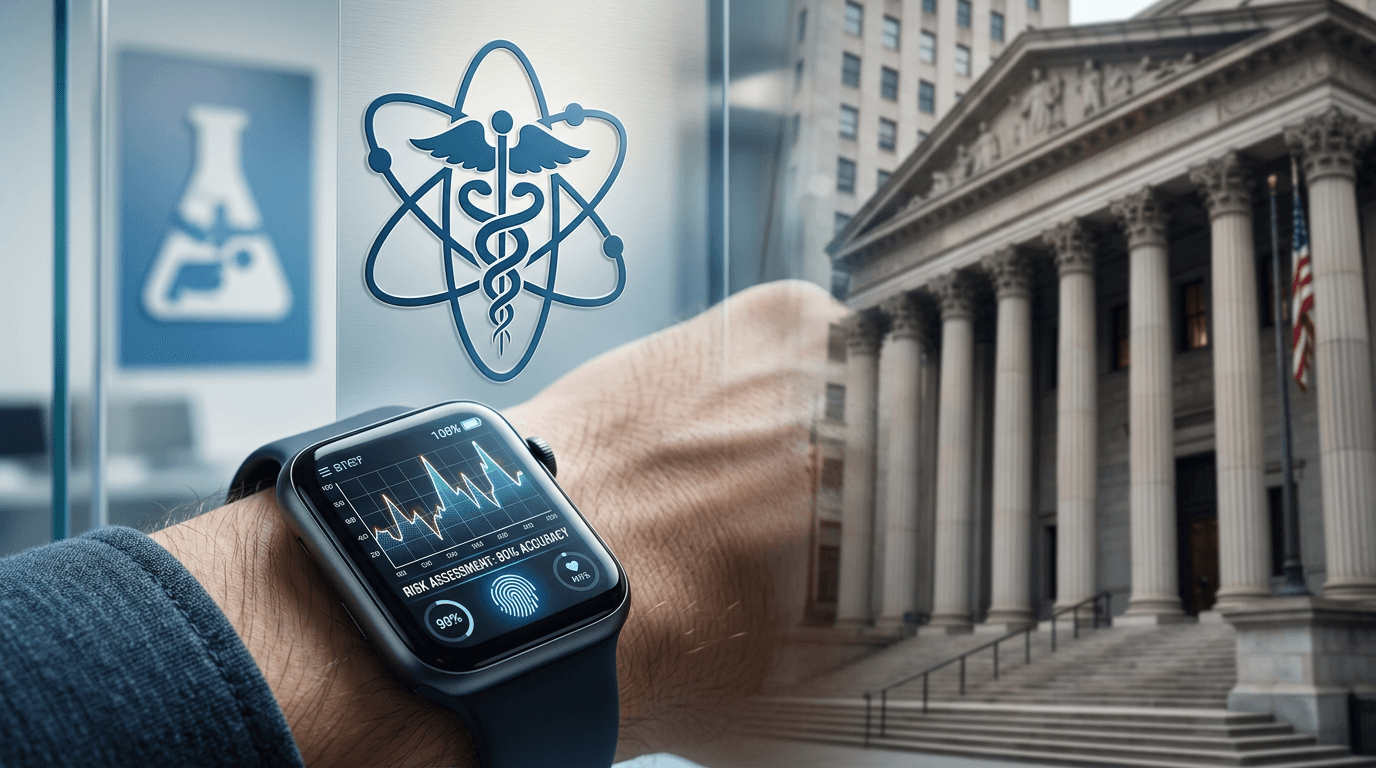
As we advance into 2026, the progress in biotechnology is making preventive medicine more accessible than ever before. New research reveals that everyday smartwatches can now predict diabetes risk with remarkable accuracy. However, as technology leaps forward, public health policy remains ensnared in a fierce legal and political struggle. This week, a U.S. judge blocked controversial changes to CDC vaccine guidance proposed by RFK Jr., highlighting a complex clash between innovation, law, and ideology that will shape the future of public health.
Digital Health Breakthrough: The Sentry on Your Wrist
According to a report from Science News, researchers have developed a new algorithm capable of utilizing physiological data collected by smartwatches—such as heart rate variability, sleep patterns, and daily physical activity—to detect insulin resistance. The data indicates that when smartwatch metrics are combined with traditional clinical markers, the system can identify early-stage diabetes risk with nearly 90 percent accuracy.
This breakthrough is significant for early intervention. Traditional diabetes diagnosis relies on invasive blood tests, and many patients are only diagnosed once the disease has progressed significantly. Through continuous, non-invasive monitoring via wearables, users can receive early warnings and potentially reverse the disease through lifestyle adjustments before clinical symptoms manifest. Recent peer-reviewed studies published in March 2026 support this methodology, suggesting that wearable-based glycemic status analysis is ready for prime time.
Policy and Judicial Clash: Defining the Boundaries of the CDC
On the policy front, the public health infrastructure is facing a major test. Ars Technica reports that a federal judge has temporarily blocked anti-vaccine changes to CDC recommendations proposed by RFK Jr. The ruling halts the overhaul of vaccine guidance and the restructuring of advisory boards, citing a failure to provide scientific justification. The judge’s decision rested on the Administrative Procedure Act (APA), which requires that changes to long-standing federal guidance not be "arbitrary or capricious."
This legal battle underscores the friction between scientific authority and political agendas. The court’s ruling emphasizes that public health mandates must remain tethered to rigorous evidence rather than ideological shifts. The medical community has largely applauded the decision, viewing it as a necessary defense against the politicization of public health. This case is expected to escalate, serving as a litmus test for the future of scientific governance in the United States.
Extreme Heat: A Growing Threat to Global Wellness
Beyond chronic disease and policy debates, environmental factors are emerging as a critical health frontier. Science News highlights that extreme heat and humidity are now severely limiting safe outdoor physical activity for millions of people worldwide. Older adults face the greatest burden, as their bodies struggle to regulate temperature during increasingly frequent and intense heatwaves.
These climate-driven health challenges are forcing urban planners and medical professionals to rethink resilience. Experts suggest that future digital health tools, like the smartwatches currently used for diabetes detection, could eventually integrate environmental sensors to provide personalized heat-stress alerts, helping to mitigate the rising toll of climate change on human health.
Conclusion: Science as the Ultimate Lighthouse
Whether through the precision of smartwatch monitoring or the judicial defense of public health standards, the message remains clear: in an era of data-driven medicine, scientific evidence remains the most powerful tool for protecting the public. While biotechnology offers unprecedented individual health insights, a robust legal and ethical framework is essential to ensure these technologies serve the collective good without being compromised by political interference.
As digital health and public policy become increasingly intertwined, the challenge will be to maintain transparency and trust. The future of health depends on our ability to embrace the convenience of new technology while steadfastly defending the scientific integrity of our public institutions.