
A Pivot in Hardware Philosophy: The Repairable MacBook
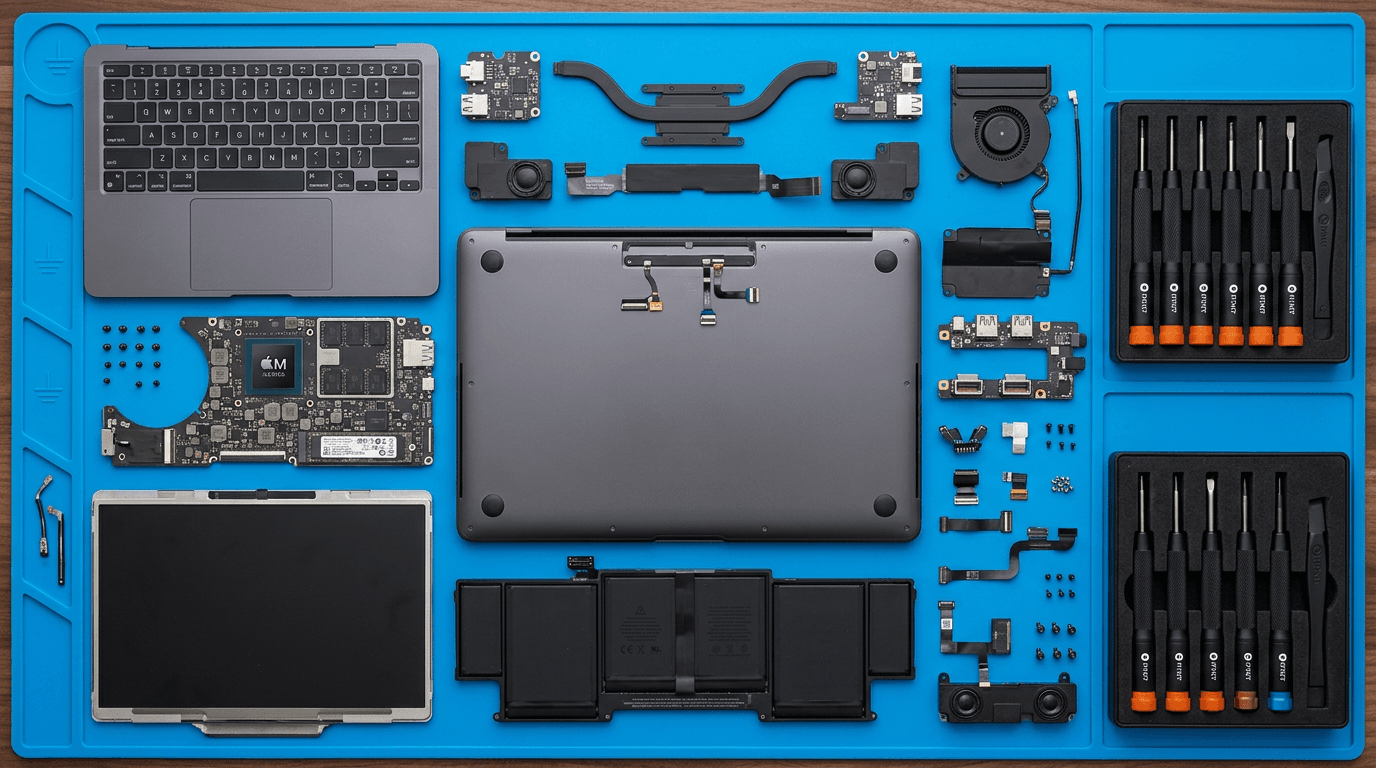
For years, Apple has been the primary target of the "Right to Repair" movement, criticized for its proprietary screws, excessive use of glue, and the practice of soldering components to the motherboard. However, the release of the new MacBook Neo marks a stunning reversal in Apple's hardware design philosophy. According to iFixit, which conducted a comprehensive teardown, the MacBook Neo is the most repairable MacBook in over 14 years, signaling a new era for the company's product longevity.
TechCrunch reports that the MacBook Neo achieved this feat through a fundamental redesign of its internal architecture. Moving away from the unibody "vault" design that made previous models nearly impossible to fix without specialized tools, the Neo features a modular approach. This change is not just a win for hobbyists; it is a strategic response to increasing regulatory pressure and a shifting consumer demand for sustainable technology.
Technical Innovations: Modular by Design
The iFixit teardown revealed several key changes that contributed to the Neo's high repairability score. Most notably, the battery is no longer held in place by aggressive permanent adhesives. Instead, Apple has utilized stretch-release pull-tabs, allowing for a battery swap in minutes rather than hours. Furthermore, components like the trackpad and the keyboard are now independently replaceable, meaning a single spilled drink no longer necessitates a multi-hundred-dollar replacement of the entire top case assembly.
Another significant development is the simplification of the cable management. In previous generations, opening the device often put delicate ribbon cables at risk of tearing. The MacBook Neo uses more robust, well-routed connectors that are easier to detach and reattach. While the RAM and SSD remain integrated into the M-series SoC for performance reasons, the ease with which peripheral components can be serviced makes this a giant leap forward in hardware sustainability.
The Driving Forces: Regulation and ESG Goals
Apple’s shift toward repairability is deeply rooted in the changing legal landscape. Laws recently passed in California, New York, and the European Union mandate that manufacturers provide consumers and independent repair shops with the same parts, tools, and manuals available to authorized service providers. By designing the MacBook Neo to be inherently easier to fix, Apple is staying ahead of these legal requirements rather than fighting them in court.
From an Environmental, Social, and Governance (ESG) perspective, this move is equally important. Electronic waste is the fastest-growing waste stream in the world. By extending the functional life of a MacBook through easier repairs, Apple can significantly reduce its environmental footprint. This aligns with the company's stated goal of becoming carbon neutral across its entire supply chain and product life cycle by 2030.
Industry Impact: A New Standard for Laptops
The MacBook Neo’s design will likely send ripples throughout the personal computing industry. For a long time, manufacturers argued that repairability and thin, light designs were mutually exclusive. Apple has now proven that you can have a sleek, modern laptop that is also modular. Competitors like Microsoft and Dell will now face increased pressure to match this level of serviceability in their own flagship devices.
Market analysis suggests that as consumers become more conscious of "planned obsolescence," repairability will become a key selling point. The MacBook Neo’s high repairability score is expected to boost its resale value, making it a more attractive long-term investment for students and budget-conscious professionals. This creates a circular economy where devices stay in use for much longer, benefiting both the consumer and the planet.
Future Outlook: The End of the "Disposable" Tech Era?
Is the MacBook Neo an outlier, or is it the start of a broader trend? If Apple integrates these modular design principles into its Pro-level laptops and iPads, it would represent the most significant change in the company's history since the introduction of the iPhone. The "Right to Repair" is no longer a niche activist movement; it has become a mainstream expectation.
However, challenges remain. The cost of official replacement parts remains high, and the practice of "parts pairing"—where software locks a component to a specific logic board—still limits the use of third-party or salvaged parts. Nevertheless, the MacBook Neo is a powerful symbol of progress. It shows that even the most powerful tech companies can listen to their users and adapt their designs for a more sustainable future. For the first time in over a decade, your next MacBook might actually be yours to fix.