

Apple’s Quiet Pivot: The 512GB Mac Studio Era Ends
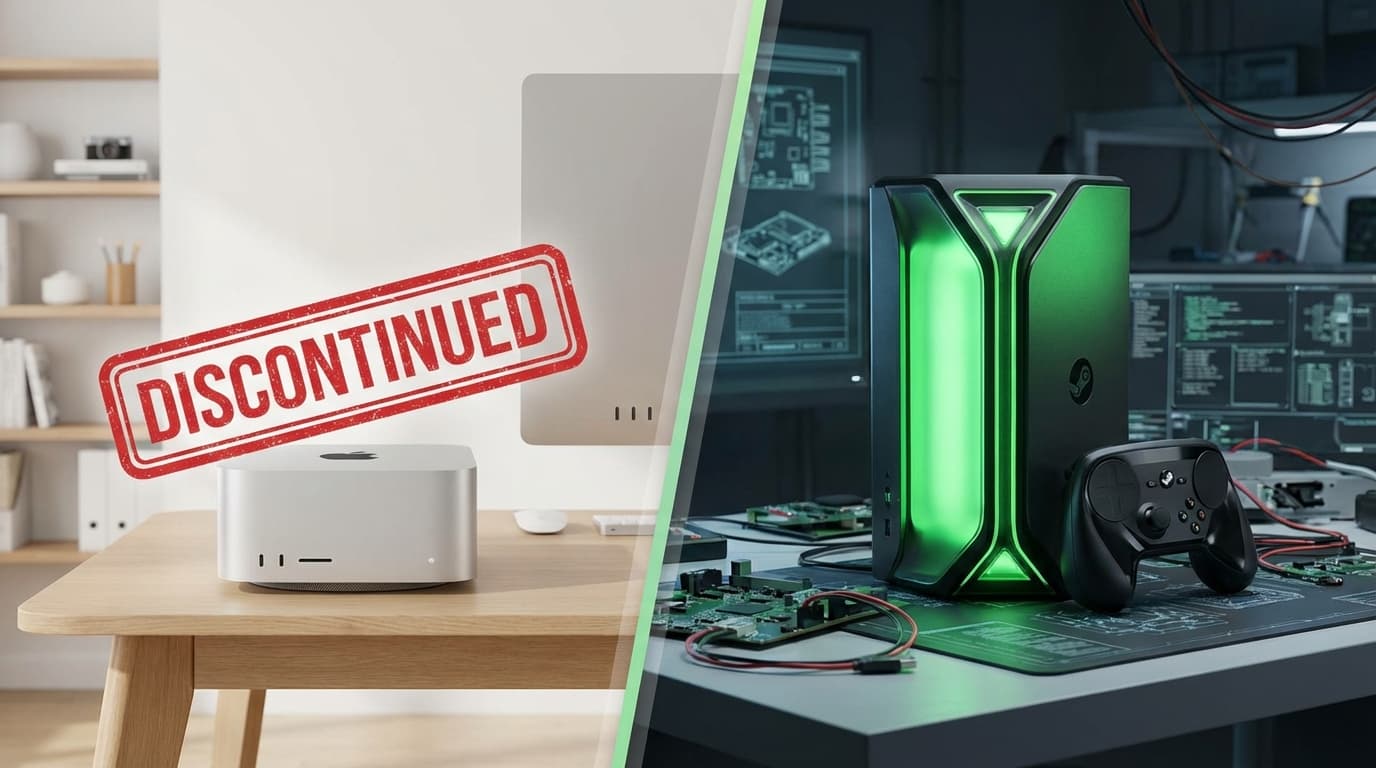
In a move that caught supply chain analysts by surprise in March 2026, Apple quietly discontinued the 512GB entry-level Mac Studio from its online store. While Apple is known for its seamless product transitions, this sudden removal is being interpreted as a direct response to the persistent global shortage of high-bandwidth RAM. According to Ars Technica, as AI-integrated features become central to the macOS ecosystem, lower-tier memory configurations have become a liability, both in terms of performance and manufacturing costs.
Apple is reportedly reallocating its limited supply of memory modules to support the newly announced M4-powered iPad Airs and the upcoming MacBook Neo. By raising the entry-level specs of the Mac Studio, Apple is essentially forcing its professional user base toward higher-margin configurations, a strategic retreat from the mid-range prosumer market to preserve components for its most popular high-volume devices.
The 2026 Console War: Project Helix and Steam’s Return
While the PC market adjusts to component scarcity, the gaming sector is ramping up for a major confrontation. Microsoft has officially confirmed the existence of its next-generation console, codenamed "Project Helix." As reported by BBC Tech, Microsoft is positioning Helix not just as a power-focused machine, but as an "intelligence-first" console, leveraging AI for real-time upscaling and dynamic game worlds. This move is seen as a desperate attempt to revive the Xbox brand after years of lagging behind Sony’s PlayStation.
Not to be outdone, Valve has reiterated its plans to ship new Steam Machine hardware, along with a revised Steam Frame controller, by the end of 2026. Despite earlier reports of delays due to memory constraints, Valve told The Verge that it is committed to its hardware roadmap. Valve’s strategy is clear: bridge the gap between its handheld success (Steam Deck) and the living room TV, challenging Microsoft for dominance in the PC-console hybrid space.
Market Realities: AI Demand vs. Consumer Electronics
The driving force behind these hardware shifts is the insatiable demand for AI chips. Because data centers are consuming the vast majority of advanced RAM and NAND storage, consumer electronics companies are being squeezed. Google Trends data reveals that search interest for "Console Prices" and "RAM Upgrades" has reached a three-year high, reflecting consumer anxiety over the rising costs of technology.
The industry is also seeing a shift in storage standards. The latest reports indicate that the upcoming Nintendo Switch successor will require microSD Express cards—offering a 4.4x increase in speed over previous generations. However, these high-speed components are exactly what is in short supply. This creates a paradox: consumers want faster, AI-capable machines, but the very components needed to build them are being diverted to the clouds that host the AI models.
Future Outlook: The Great Hardware Bifurcation
As we move through 2026, the hardware market is splitting into two extremes. On one side, we have Apple’s highly efficient, integrated ecosystem, which is moving toward a premium-only model for its creative workstations. On the other side, we have Microsoft and Valve competing for the "high-performance value" segment, using AI software to mask the limitations of the available hardware.
The second half of 2026 will be the ultimate test for these strategies. Whether it is the $599 MacBook Neo or the Project Helix console, the companies that can best navigate the silicon famine will be the ones that define the next decade of digital interaction. For consumers, the message is clear: the age of cheap, high-performance hardware is over, replaced by a new era of AI-optimized luxury.