

Decoding the M5 Max: More Than Just a Number
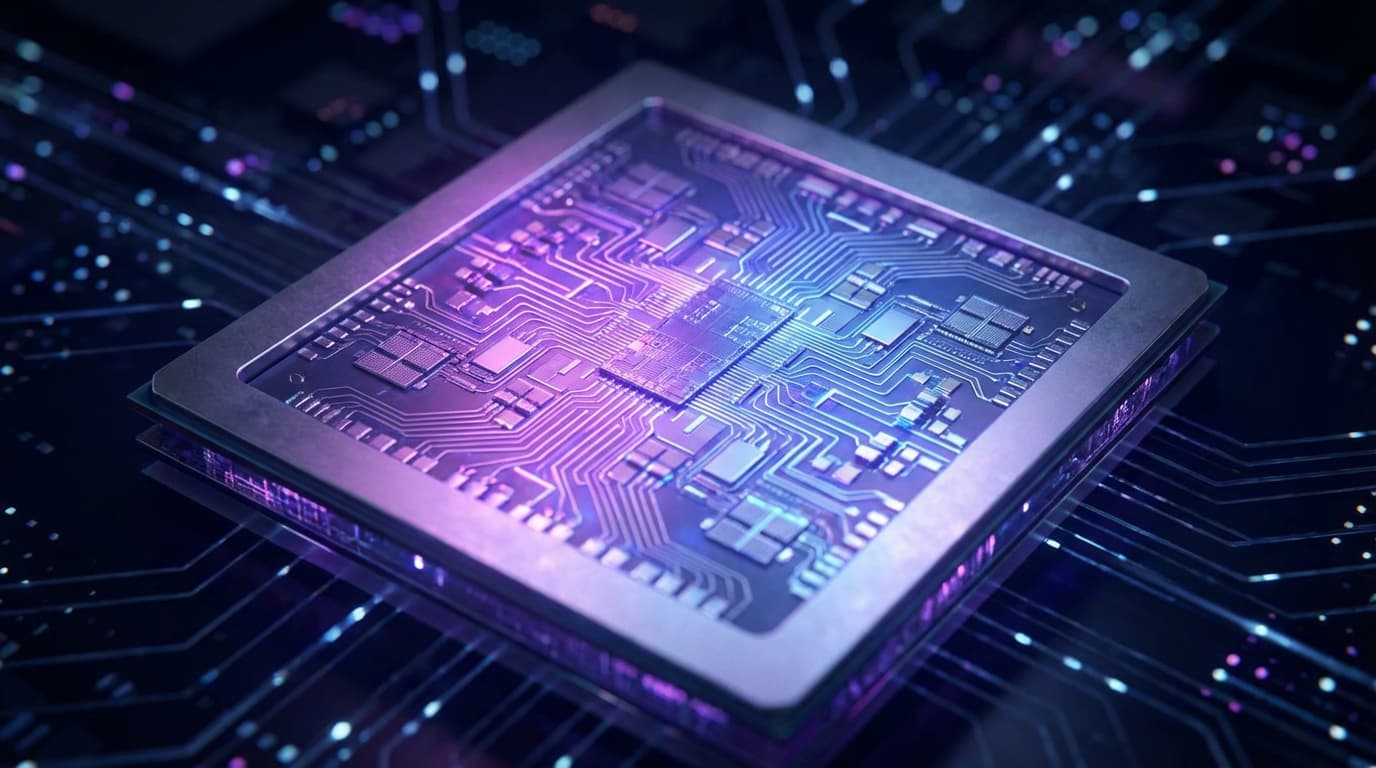
In March 2026, Apple officially unleashed the new 16-inch MacBook Pro powered by the M5 Max chip. Technical reviews from Ars Technica confirm that this is not a mere incremental update. The M5 Max features a groundbreaking architecture in its performance CPU cores, which are not rebranded efficiency cores but entirely new designs. Benchmarks show a 20% increase in single-core performance compared to the M4 Max, making it the most significant leap for professional users since the transition to Apple Silicon. For those still using M1 or M2 series laptops, the M5 Max provides a compelling reason to upgrade, offering vastly improved thermal efficiency and specialized AI accelerators that allow for high-speed local inference of complex models.
The Rise of the 'Ultra': Apple’s High-End Stratification
Alongside the chip benchmarks, new insights into Apple’s product roadmap suggest a deliberate shift toward the "Ultra" high-end market. According to reports from The Verge, Apple is preparing to expand its high-end portfolio with products like the long-rumored iPad Ultra and a revamped Mac Studio Ultra. This strategy aims to create a wider gap between the consumer-focused Air series and the enterprise-grade Pro and Ultra tiers. By pushing the ceiling of performance and pricing, Apple is targeting professional users who demand workstation-level power in a mobile or compact form factor. Analysts suggest that this "Ultra"-fication is Apple’s answer to the high-end Windows laptop resurgence, ensuring the company maintains its dominance in the premium computing segment.
Smart Home Delays and the iOS 27 Roadmap
While the silicon team is celebrating, Apple’s smart home division is facing a strategic delay. The rumored "HomePod with a screen"—a smart display meant to compete with Amazon and Google—has reportedly been pushed back to a fall 2026 release, aligning with the debut of iOS 27. According to Bloomberg’s Mark Gurman, the delay is intended to ensure the device’s AI features are fully optimized for the new M5-based neural engine. This device is expected to serve as the hub for Apple's next-generation smart home ecosystem, emphasizing local privacy and seamless multi-modal interaction (voice, gesture, and touch). Despite the delay, expectations remain high for what could be Apple's most significant new product category in years.
Market Reception and Search Trends: A Targeted Upgrade Cycle
Google Trends data indicates a significant surge in searches for "M5 Max benchmarks" and "MacBook Pro 16 2026 reviews," particularly in major tech hubs across North America and East Asia. Apple currently holds over 60% of the market share for laptops priced above $1,500, and the M5 Max launch is expected to trigger a major upgrade cycle among creative professionals. Market data suggests that the three-year upgrade cycle (e.g., from M2 to M5) remains the "sweet spot" for pro consumers, who prioritize time-saving rendering speeds and stable software integration over yearly aesthetic changes.
Future Outlook: Consolidating the Ecosystem
The M5 Max represents more than just a performance milestone; it is a signal of Apple’s intent to dominate every facet of the high-end tech experience. As hardware, silicon, and software (iOS 27) become increasingly intertwined, the synergy between devices will reach new heights. The upcoming "Ultra" products will likely blur the lines between mobile and desktop computing, offering a unified experience across the Apple ecosystem. While the smart home display's delay is a minor setback, the strength of the core Mac and iPad business remains unshakable, driven by a relentless pace of silicon innovation that leaves competitors scrambling to keep up.