
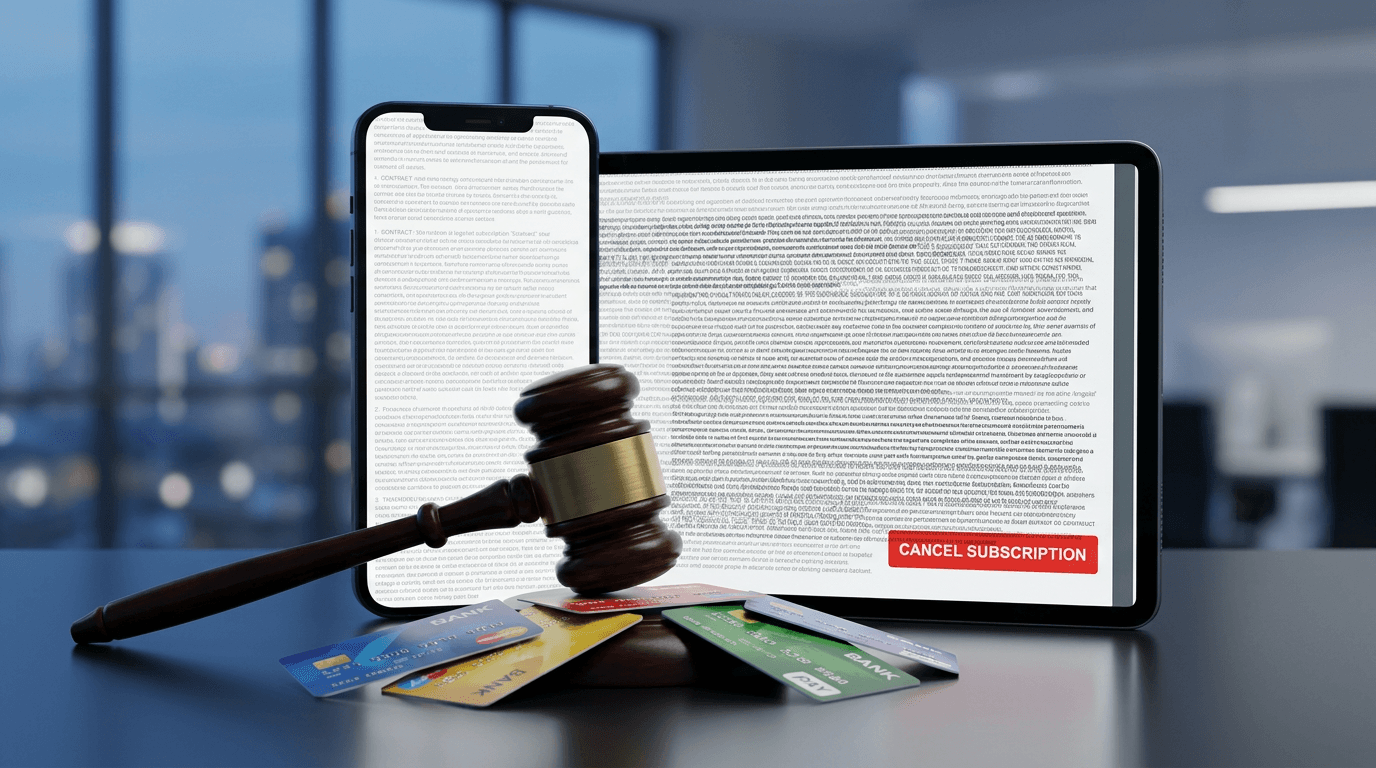
A Major Blow from the Department of Justice
Software giant Adobe is reeling from a massive regulatory blow that targets the heart of its business model. As reported by Ars Technica and The Verge, Adobe has agreed to pay a $75 million penalty to settle a lawsuit filed by the U.S. Department of Justice (DOJ) on behalf of the Federal Trade Commission (FTC). The lawsuit alleged that Adobe intentionally made its software subscriptions, particularly for Creative Cloud, difficult to cancel while concealing hefty early termination fees from unsuspecting customers.
According to legal filings, the DOJ accused Adobe of violating the Restore Online Shoppers’ Confidence Act (ROSCA). This law mandates that any seller of goods or services online must clearly disclose all material terms of a transaction and provide a simple mechanism for consumers to stop recurring charges. Adobe’s practices were described as classic examples of "dark patterns"—user interface designs optimized to manipulate or trick users into making choices that benefit the company at their own expense.
Unmasking the 'Subscription Trap'
The center of the controversy was Adobe's "Annual, Paid Monthly" (APM) plan. Many users signed up believing they had a flexible monthly commitment, only to find themselves locked into a yearly contract. When attempting to cancel, users were hit with an "early termination fee" that often amounted to hundreds of dollars. The DOJ argued that these critical terms were buried in fine print or hidden behind multiple layers of complex navigation menus.
Google Trends data reveals that search queries for "how to cancel Adobe subscription" have been a top-trending topic for years, underscoring the widespread frustration among the creative community. This $75 million settlement represents a significant victory for consumer advocacy, as it forces Adobe to not only pay up but also overhaul its entire cancellation workflow to ensure that stopping a service is just as easy as starting one.
Market Impact: The End of the SaaS 'Wild West'
This settlement is sending shockwaves through the Software-as-a-Service (SaaS) industry. For years, the move from perpetual licenses to subscription models has driven record-breaking Annual Recurring Revenue (ARR) for tech companies. However, the Adobe case serves as a stern warning that the "subscription trap" era is over. Yahoo Finance data indicates that while Adobe’s stock remained relatively stable, investors are now closely monitoring churn rates across the SaaS sector as cancellation processes become more transparent.
Simultaneously, Adobe has been adjusting its global strategies. In China, reports from TechCrunch show that Adobe recently lowered its App Store commission rates without fanfare. This global trend toward increased transparency and lower barriers for consumers suggests that the multi-year boom in high-margin, "sticky" subscription models may be entering a more regulated and less profitable phase. Companies that relied on inertia and confusion to maintain subscriber numbers will now have to compete on value and trust.
Strategic Outlook: Trust as a Competitive Edge
The Adobe settlement is a watershed moment for digital consumer protection. It signals that regulators are no longer willing to tolerate manipulative UI designs that exploit human psychology. Moving forward, software companies must prioritize clear communication and user autonomy. Adobe has promised to provide qualified customers with credits and to implement a much simpler, one-click cancellation process.
For consumers, this marks a shift toward a more equitable digital marketplace. For the tech industry, the lesson is clear: long-term growth cannot be built on short-term manipulation. As more agencies worldwide adopt ROSCA-like protections, the most successful companies will be those that treat their customers with transparency. The $75 million fine is just the beginning; the broader crackdown on "hidden fees" in the digital economy is only just getting started.