

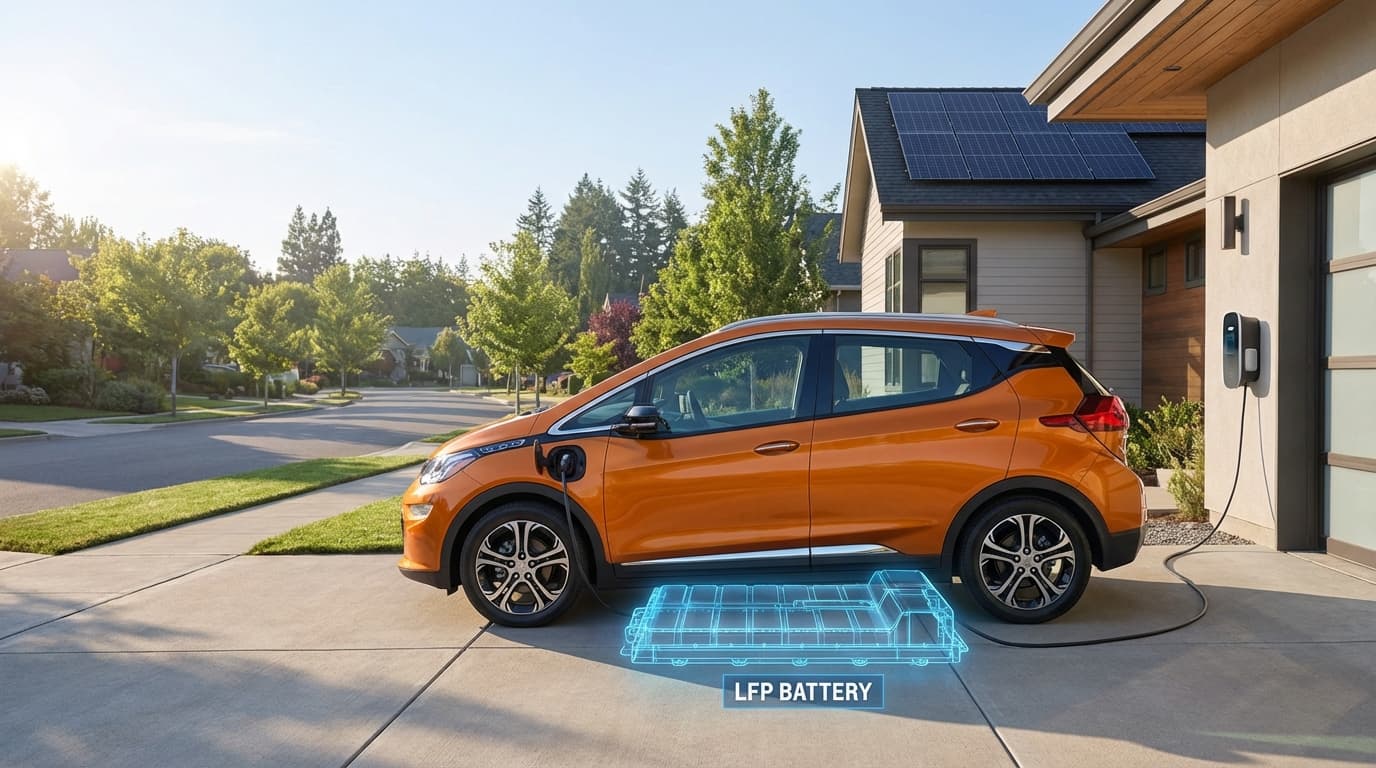
The King Returns: Chevrolet's 2027 Bolt Gambit
On March 9, 2026, General Motors officially unveiled the production-ready "2027 Chevrolet Bolt," signaling a strategic revival for one of the most iconic nameplates in the affordable electric vehicle (EV) segment. After being briefly discontinued, the Bolt is returning to address a critical gap in a market that has become oversaturated with expensive luxury EVs. As reported by Ars Technica, the 2027 model retains its signature compact charm while introducing modern infotainment and, most importantly, a completely overhauled powertrain designed for high efficiency and lower production costs.
Technical Core: The Power of LFP Battery Tech
The standout technical upgrade for the 2027 Bolt is the adoption of Lithium Iron Phosphate (LFP) battery technology. Moving away from the pricier nickel-manganese-cobalt (NMC) cells of previous generations, LFP batteries offer significant benefits in terms of cost reduction, thermal stability, and overall longevity. This technical choice is the primary reason Chevrolet can target a price point below the $30,000 threshold while still offering competitive range and faster DC charging capabilities. It marks a clear focus on the "utility" phase of EV adoption, where reliability and price trump peak acceleration metrics.
Market Divergence: Luxury Pullbacks and Mass-Market Growth
The Bolt’s return comes at a fascinating time for the automotive industry. While mass-market manufacturers are doubling down on affordability, luxury brands are pulling back. Lamborghini recently announced it would delay its full-EV plans, focusing instead on hybridized powertrains for its high-end performance models. This market divergence suggests that while the ultra-wealthy are still cautious about full-EV adoption, the general public is eager for electric options that fit traditional middle-class budgets. Startups like Slate Auto are also restructuring their leadership to prepare for this upcoming wave of sub-$40,000 electric mobility.
Consumer Sentiment and Search Trend Analysis
Consumer interest in the new Bolt is surging. Google Trends data shows that queries for "2027 Chevy Bolt specs" and "best affordable EVs under $30k" have spiked in both the U.S. and European markets. This data highlights a shift in consumer sentiment: the novelty of high-performance EVs is wearing off, and the practicalities of charging infrastructure and purchase price are becoming the dominant factors for new car buyers. In tech-heavy regions like California and Taiwan, interest in LFP-powered vehicles is also on the rise, as savvy consumers recognize the benefits of durable battery chemistry.
Future Outlook: Setting the Standard for Entry-Level EVs
The 2027 Chevrolet Bolt is poised to become the benchmark for the next generation of entry-level electric vehicles. Its success will likely validate the use of LFP batteries as the standard for mass-market EVs in the West, mirroring a trend already prevalent in China. If GM can deliver on its promises of reliability and affordability, the Bolt will play a pivotal role in accelerating EV adoption rates among demographics that were previously priced out of the market. The industry will be watching closely as the first units roll off the assembly lines later this year.