

The Safety Bottleneck for Autonomous Tech
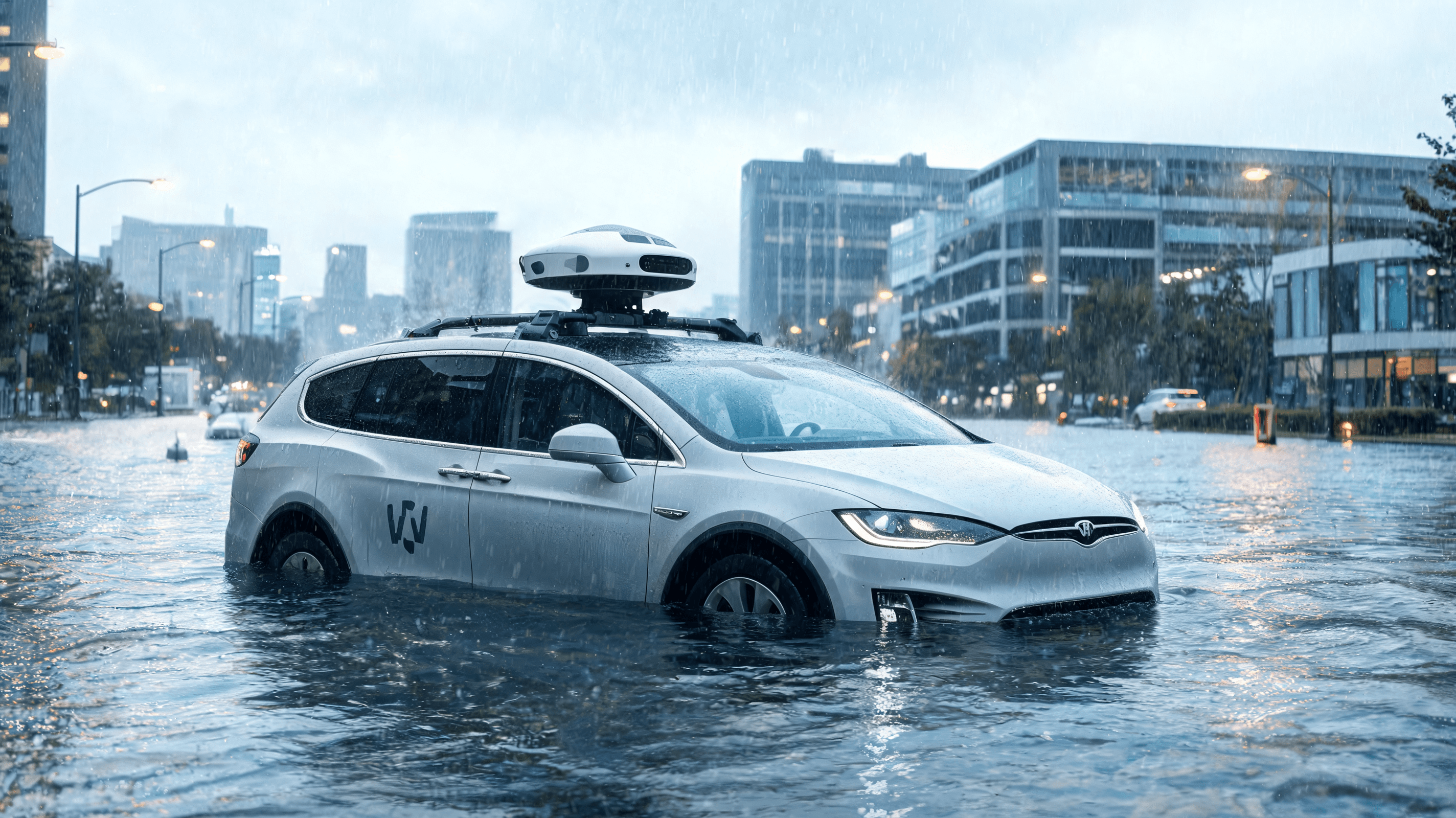
Autonomous driving technology has encountered a major setback. Waymo, the Alphabet-owned robotaxi leader, has been forced to suspend operations in Atlanta and San Antonio after multiple incidents involving its vehicles navigating into flooded, impassable roads. Furthermore, the company is proactively scaling back operations in other regions due to struggles navigating complex construction zones, highlighting the inherent fragility of autonomous systems when facing extreme weather or chaotic human-made environments.
Rising Legal and Regulatory Risks
Robotaxi operations exist at the intersection of state-specific traffic laws and federal oversight by the National Highway Traffic Safety Administration (NHTSA). Repeated service failures intensify the risk of civil liability lawsuits and administrative scrutiny. Such incidents could trigger direct intervention by state public utility commissions or transportation departments, potentially leading to permit revocations. Industry analysts warn that if Waymo cannot rapidly improve its system's ability to identify and respond to environmental anomalies, it may face more stringent operating constraints.
Industry Impact: A Reappraisal of Safety
Waymo's service suspension serves as a wake-up call for the entire autonomous vehicle sector. While the industry has long touted the safety advantage of autonomous systems over human drivers, current sensor suites and algorithmic logic remain ill-equipped for extreme weather variables. This erosion of user trust, coupled with the rising operational costs of training for "edge-case" scenarios, presents a significant business challenge.
The Outlook: The Next Challenge for AVs
Waymo’s next strategic steps will be crucial. The company must demonstrate that software updates can effectively distinguish deep standing water from normal road surfaces and provide more reliable navigation within complex construction zones. While competitors may view this as an opportunity to close the gap, the incident further demonstrates that the road to full-scale, autonomous commercialization is proving significantly more difficult and time-consuming than initially projected.
Data indicates that negative sentiment surrounding this topic has risen by 50% within the affected metropolitan areas in the past week, representing a substantial challenge to the long-term brand credibility of autonomous service providers.