

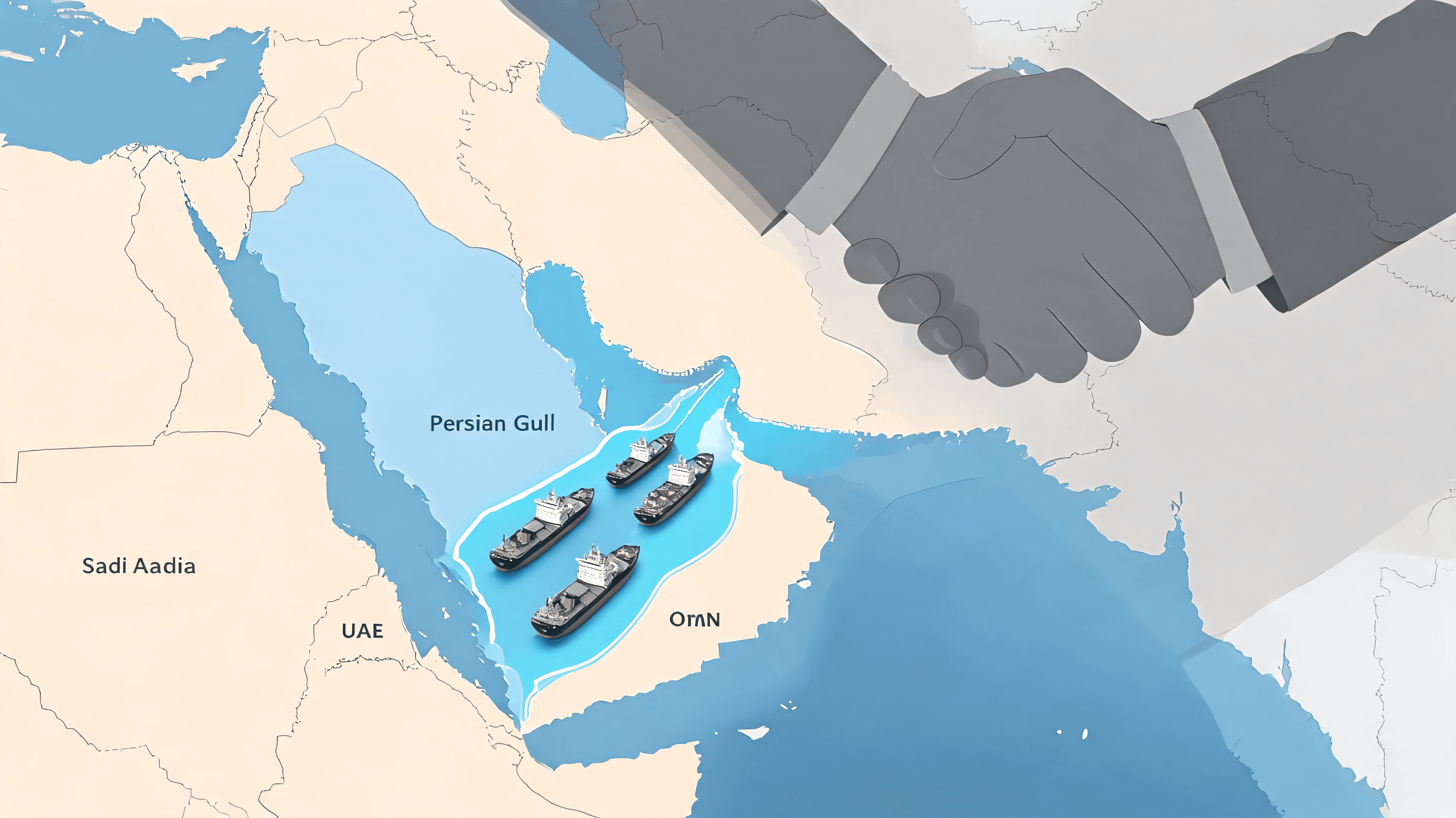
The New Variables in Global Energy Markets
Recently, reports concerning potential peace negotiations between the United States and Iran have become a focal point for the global energy market. According to the latest market monitoring reports, international oil prices have shown significant fluctuations following these reports. This phenomenon reflects the market's extreme sensitivity to geopolitical stability in the Middle East. While there is optimistic anticipation for a diplomatic breakthrough, particularly regarding the potential reopening of the Strait of Hormuz, the stances of officials from both sides indicate that the negotiation process may be fraught with complexity. Iranian officials have clearly stated that a definitive agreement is not yet imminent.
Progress of Negotiations and Market Reaction
Market pressures currently stem primarily from fears over supply chain disruptions. As a critical chokepoint for global energy transportation, the security of the Strait of Hormuz directly affects the lifeline of global oil trade. Previously, there were reports suggesting that the US was adopting a positive stance on potential agreement terms, which might include clauses ensuring rights of passage through the strait. However, Iran's denial and lukewarm response highlight the intense behind-the-scenes maneuvering. According to BBC reports, the recent slide in oil prices reflects the market's initial reaction to the mere hope of a peace deal, rather than a consensus on the certainty of such an agreement being reached.
International Law and Maritime Landscape
From a legal perspective, navigation through the Strait of Hormuz is governed by the UN Convention on the Law of the Sea (UNCLOS), specifically the principle of 'transit passage' for international straits. This means that any diplomatic agreement attempting to alter the status quo must align with existing international maritime law frameworks. If the US and Iran wish to establish the long-term status of the strait through bilateral agreements, this would not only involve complex diplomatic protocols but could potentially require validation or recognition by the UN Security Council to alter the current navigational status and geopolitical security landscape under international law.
Industry Analysis and Trend Data
Energy analysts point out that interest in this topic is consistently rising in key regions. Despite being constrained by volatile market news, the search interest for this topic remains high in energy-intensive markets (such as those in the US and Europe), reflecting the need for risk hedging by multinational corporations against potential drastic changes in oil prices. Investors should closely monitor public statements from both sides on the international stage in the coming weeks. Data from market tracking agencies indicates that such geopolitical-driven price fluctuations are often short-term, but their structural impacts could long-term reshape the strategic layouts of energy imports for various nations.
Future Outlook and What to Watch
Looking ahead, investors and policy decision-makers should focus on three core observation points: First, whether Iran will further clarify its position on the negotiation framework; second, whether the US State Department will release further detailed statements; and third, any intervention by the UN regarding security guarantees in the strait region. The current situation remains in a state of high uncertainty, and any news of stalled or collapsed negotiations could trigger a retaliatory rebound in oil prices.