

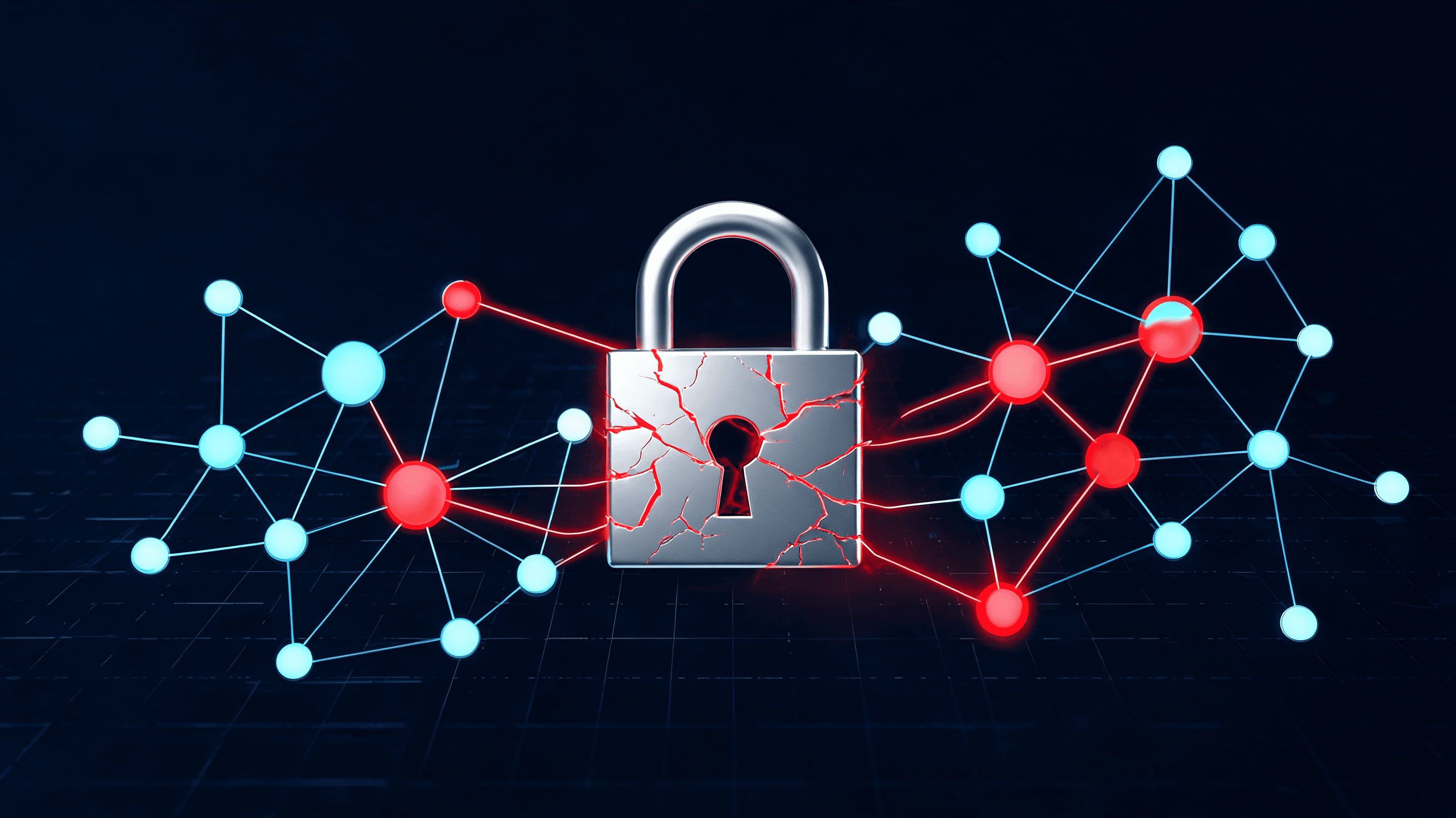
The Invisible Crack in the Foundation
Open-source software forms the bedrock of modern technological infrastructure, but this ubiquity has made it a prime target for high-scale security breaches. A sophisticated hacker group, identified as TeamPCP, has recently launched an unprecedented series of attacks by "poisoning" code within prominent package repositories like npm. These incidents underscore a fundamental vulnerability: the human element inherent in the software supply chain.
The Credential Crisis: Why Provenance Systems Fail
Sophisticated tools such as Sigstore were designed to provide technical transparency and provenance verification for every code update. However, these systems fundamentally rely on the integrity of individual maintainer accounts. The recent attacks highlight that attackers are now prioritizing the theft of valid maintainer credentials to bypass existing security hurdles. By utilizing compromised yet authorized accounts, TeamPCP has successfully navigated provenance logs, effectively turning the supply chain's trust signal against its users.
Navigating the Legal Landscape
The software supply chain is increasingly being governed by global initiatives like US Executive Order 14028 and CISA’s Secure Software Development Framework (SSDF). While these frameworks offer a path toward more rigorous security standards, they create significant legal friction when applied to the open-source community. Currently, there is a lack of clear international standards defining the liability of open-source maintainers in the face of sophisticated credential-theft attacks. This gap raises pressing questions regarding negligence standards and the responsibilities of platforms when maintainer identities are compromised.
Redefining Security for the Future
To counter attacks like those carried out by TeamPCP, the tech industry must move beyond automated provenance checks. Defensive strategies are shifting toward a zero-trust architecture, which requires stronger multi-factor authentication for maintainers and deeper, logic-based audits before code merges. The crisis has exposed that, in an era of automated, large-scale supply chain poisoning, the old ways of maintaining and verifying open-source code are no longer sufficient; the industry must fundamentally re-engineer the layers of trust that secure the global software ecosystem.