

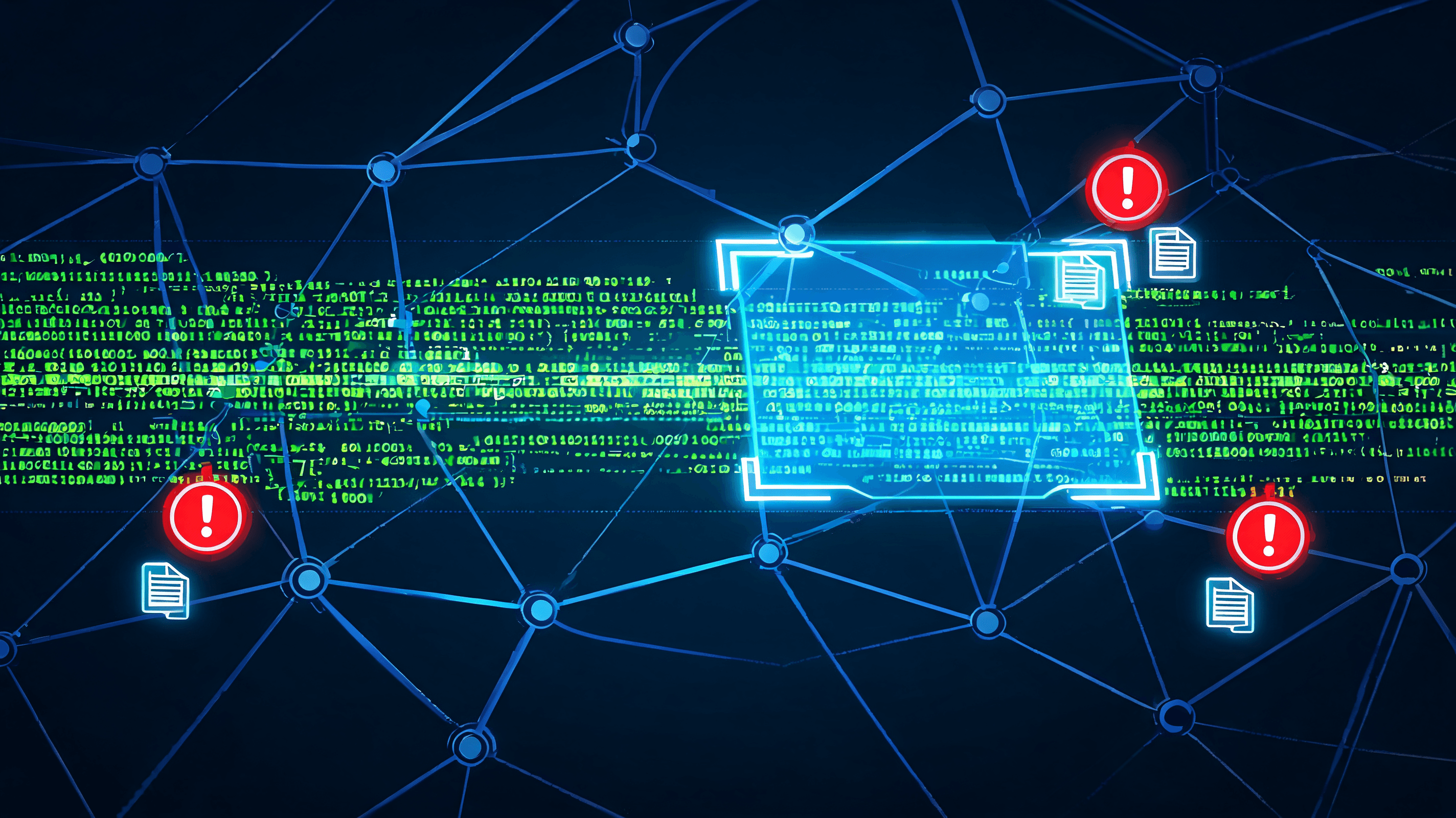
The Hidden Dangers of AI-Generated Code
As the adoption of AI-assisted software development surges, security concerns are increasingly taking center stage. Recently, "Mythos," an AI security scanning tool developed by Anthropic, identified several high-severity vulnerabilities within the Firefox browser. This finding has sparked a widespread re-evaluation within the software development community: while AI dramatically enhances productivity, it can also produce code harboring subtle, difficult-to-detect logic defects.
Test Files as Breeding Grounds for Vulnerabilities
Security experts have discovered that many vulnerabilities are not directly hidden within the primary codebase, but rather bypass standard scanning mechanisms by lurking in auxiliary "test files." Since most automated scanning systems focus on production-ready code while overlooking companion test files, malicious or buggy snippets can inadvertently slip into applications during the build process. This stealthy attack path highlights significant gaps in current software supply-chain security protocols.
Risks of Data Leakage in 'Vibe-Coded' Apps
Furthermore, an emerging development paradigm dubbed "vibe-coding"—where users can generate full-stack web applications simply by describing them in natural language—is raising alarm bells. Researchers have found that thousands of such applications, generated in seconds, are being deployed without proper security configurations. As a result, vast amounts of sensitive corporate and personal data are being exposed on the public internet, posing a major risk to user privacy.
Future Paths for Security Assurance
As the industry embraces the productivity revolution brought by AI, there is a mounting call to establish Zero-Trust supply-chain security standards. This requires more than just powerful scanning tools; it necessitates that developers maintain rigorous manual review processes when incorporating AI-generated code and accord equal importance to security protections in test environments. Finding the right balance between rapid technological innovation and system robustness will remain one of the most critical challenges for the software development industry in the near term.