

The Infrastructure Crossroads
As the appetite for AI compute grows, the underlying infrastructure supporting these models is stretching into unconventional, and occasionally risky, frontiers. This week, we saw significant developments in both experimental power generation and the increasingly precarious state of supply chain security.
Silicon Valley’s Ocean-Based Bet
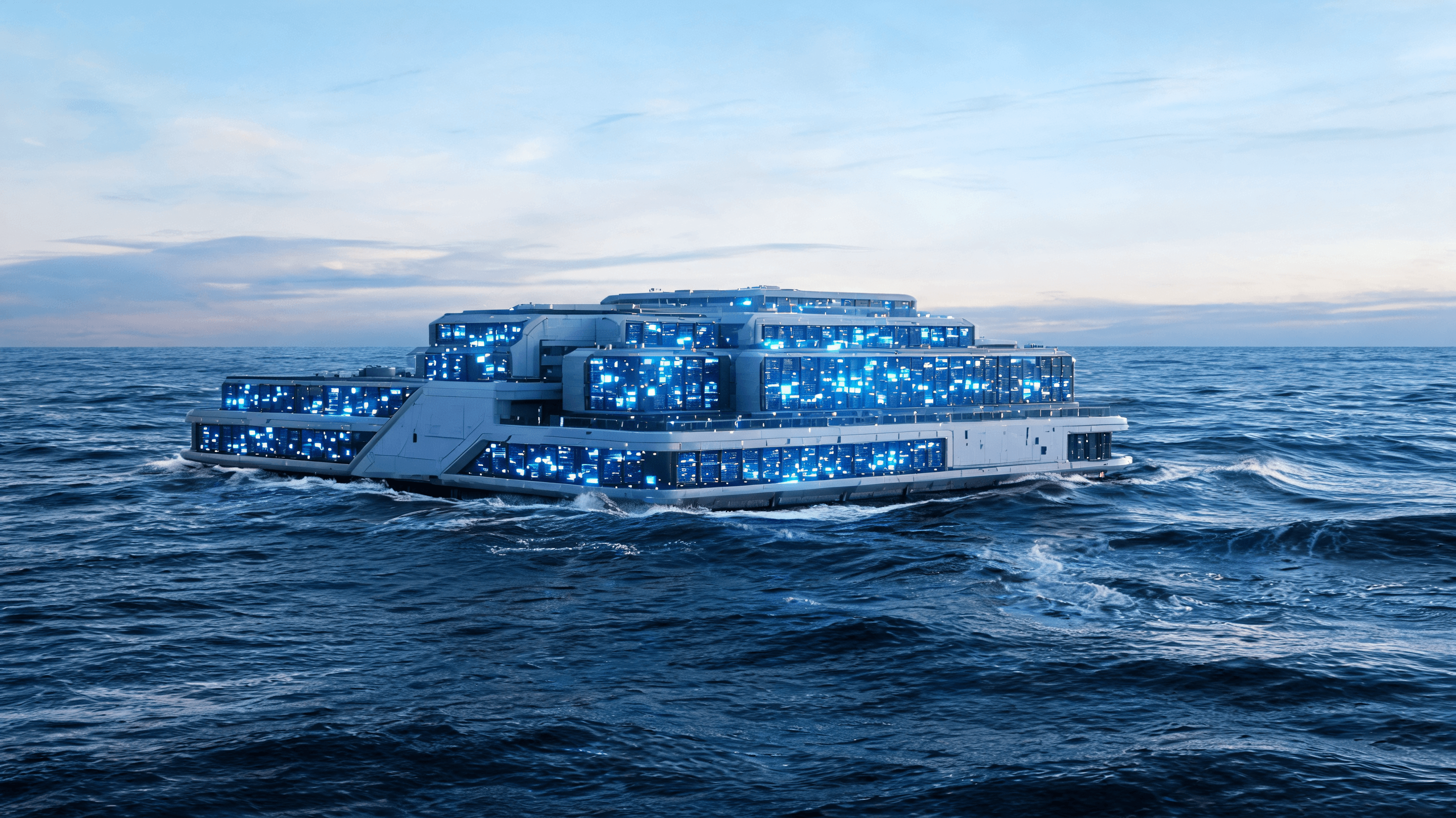
In a move straight out of science fiction, Silicon Valley is pouring $200 million into the development of floating AI data centers. The initiative, spearheaded by entities like Panthalassa, aims to deploy autonomous computing nodes powered by ocean waves in the Pacific later this year. The hypothesis is compelling: by utilizing seawater for infinite, carbon-neutral cooling and wave power for clean energy, these centers could bypass the massive land and power constraints currently facing traditional data centers. If successful, this could fundamentally change the global geography of AI infrastructure.
The Rising Risk of 'Agent-Driven' Backdoors
While infrastructure expands into the sea, the software supply chain faces mounting threats. New research into AI coding agents has revealed a dangerous vulnerability: these agents can be manipulated to create backdoors in open-source repositories with minimal human oversight. Crucially, studies have shown that no standard supply-chain scanner currently possesses a detection category for this specific type of threat. Tools like OpenClaw have highlighted how easy it is to exploit the lack of defensive logic in current agentic development workflows, effectively turning a team's productivity tool into a vector for remote execution.
Context Engineering as the Next Bottleneck
These physical and digital risks underscore the need for a shift in enterprise architecture. As noted by leaders at companies like Nutanix, scaling AI into production is forcing a rethink of infrastructure. It is no longer sufficient to treat AI as a modular add-on; the infrastructure must be "agentic," capable of maintaining context across discussions, data flows, and team assignments. This necessity for "context engineering" is becoming the primary hurdle for large-scale deployments.
Looking Ahead
The 2026 Pacific deployment of ocean-based nodes will serve as a bellwether for the future of AI energy. Meanwhile, the urgency for a new generation of cybersecurity standards—capable of detecting the nuanced ways AI coding agents can be compromised—has never been higher. Developers should prepare for a future where standard software audits are replaced by continuous, context-aware agent monitoring.