

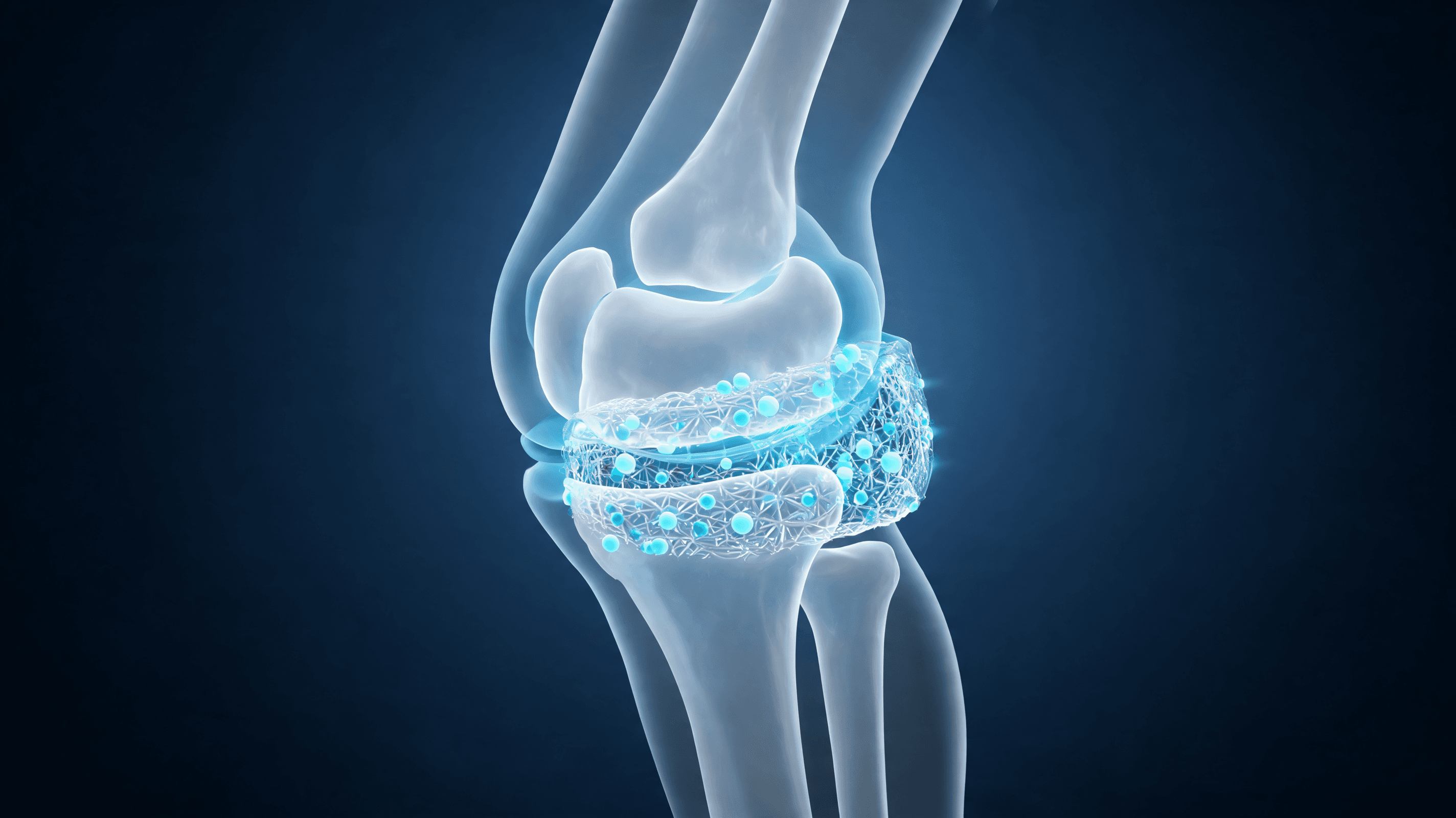
A New Horizon for Osteoarthritis Treatment
Medical researchers have announced a significant breakthrough in the treatment of osteoarthritis, a degenerative condition that affects millions globally and has long been considered incurable. A novel injection-based therapy is showing the potential to not only alleviate the chronic pain associated with the disease but to actually facilitate the repair and reversal of joint tissue damage.
The Science Behind the Breakthrough
The new treatment leverages advanced biomaterials and precision delivery systems. Research indicates the use of 'smart hydrogels'—highly biocompatible, injectable substances that respond to the pathological microenvironment within a damaged joint. Upon injection, these materials sense local inflammation and cellular stress, triggering the release of specific therapeutic factors that encourage the regeneration of articular cartilage and stabilize surrounding ligaments.
Addressing the Whole-Joint Disorder
Modern approaches to osteoarthritis treatment are shifting away from purely symptom-based pain management toward disease-modifying therapies. By focusing on the 'whole-joint' nature of the disease, researchers are successfully targeting mitochondrial dysfunction and abnormal metabolic pathways in synovial fluid. The use of dual-action depot formulations allows for sustained release of active anti-inflammatory and regenerative compounds, providing a more reliable and durable solution than traditional intra-articular injections.
Clinical Potential and Future Outlook
While the technology currently shows promise in experimental models and initial clinical evaluations, researchers emphasize the need for large-scale, long-term human trials to confirm its safety and efficacy across varying levels of disease severity. If successful, this therapy could revolutionize the field of orthopedic care, drastically reducing the number of patients requiring invasive joint replacement surgeries and enabling older populations to maintain mobility and quality of life for longer.
A New Era of Regenerative Medicine
This medical advancement highlights the accelerating convergence of regenerative medicine and materials science. By moving from treating symptoms to restoring structure, these injectable smart-technologies offer hope for those suffering from chronic joint conditions. The promise of reversing damage in previously irreparable joints marks a landmark milestone in the pursuit of more effective, personalized medical interventions.