

Musk Takes the Stand: A Reckoning for OpenAI's Founding Mission
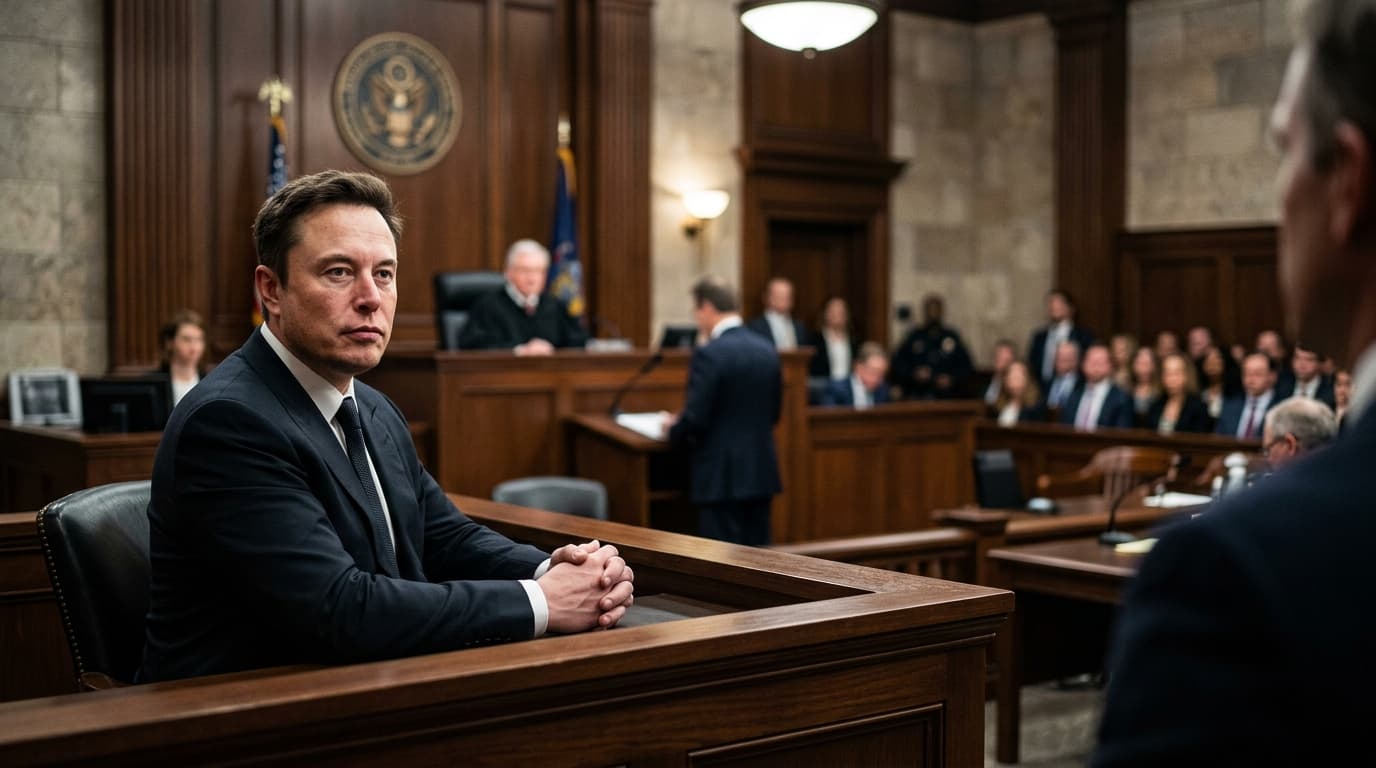
The high-stakes legal battle between Elon Musk and Sam Altman, along with the AI powerhouse OpenAI, has reached a critical juncture. Currently in its third day, the trial has seen intense, combative testimony that pits Musk's vision of AI safety against OpenAI’s rapid commercial expansion. The case has become a focal point for the broader questions of how tech labs should be governed as they transition from altruistic non-profits to profit-oriented entities.
Cross-Examination and the 'Trap' of Tweets
Musk's testimony has been defined by his attempt to navigate a barrage of questions from OpenAI’s legal team, who have zeroed in on his extensive history of tweets to highlight alleged inconsistencies in his narrative. Musk has reacted defensively, accusing opposing counsel of trying to 'trick' him into admitting legal vulnerabilities. These exchanges underscore the evidentiary challenges inherent in the case, where the defense relies on the contrast between Musk's formal corporate involvement and his informal, sometimes impulsive, public statements.
The Legal Core: Fiduciary Duty and Corporate Charters
At the heart of the lawsuit is the question of whether OpenAI breached its fiduciary duty to its original mission. Legal analysts monitoring the trial suggest that the court is exploring the enforceability of 'public benefit' clauses within corporate frameworks. Does a company created with a mission to benefit humanity legally forfeit the right to pivot toward a capped-profit structure if that change effectively sidelines the founding objectives? The court's findings on these points could establish a precedent for how 'public mission' startup entities are regulated.
The Industry-Wide Ripple Effect
Beyond the specific dispute, the ongoing trial is casting a shadow over the broader artificial intelligence landscape. Observers note that the legal scrutiny is impacting institutional confidence as organizations look to scale their enterprise AI deployments. The tension between open-source idealism and closed-source profitability is no longer just a theoretical debate; it is being played out in real-time in the courtroom, influencing market sentiment and investor expectations for the entire AI sector.
What Lies Ahead
As the trial progresses, the disclosure of internal emails and corporate documents from OpenAI’s early days is expected to provide further clarity on how the shift in power occurred. The ultimate verdict will likely dictate not only the financial and operational future of OpenAI but also set the standard for accountability in the rapidly evolving world of general-purpose AI development.