

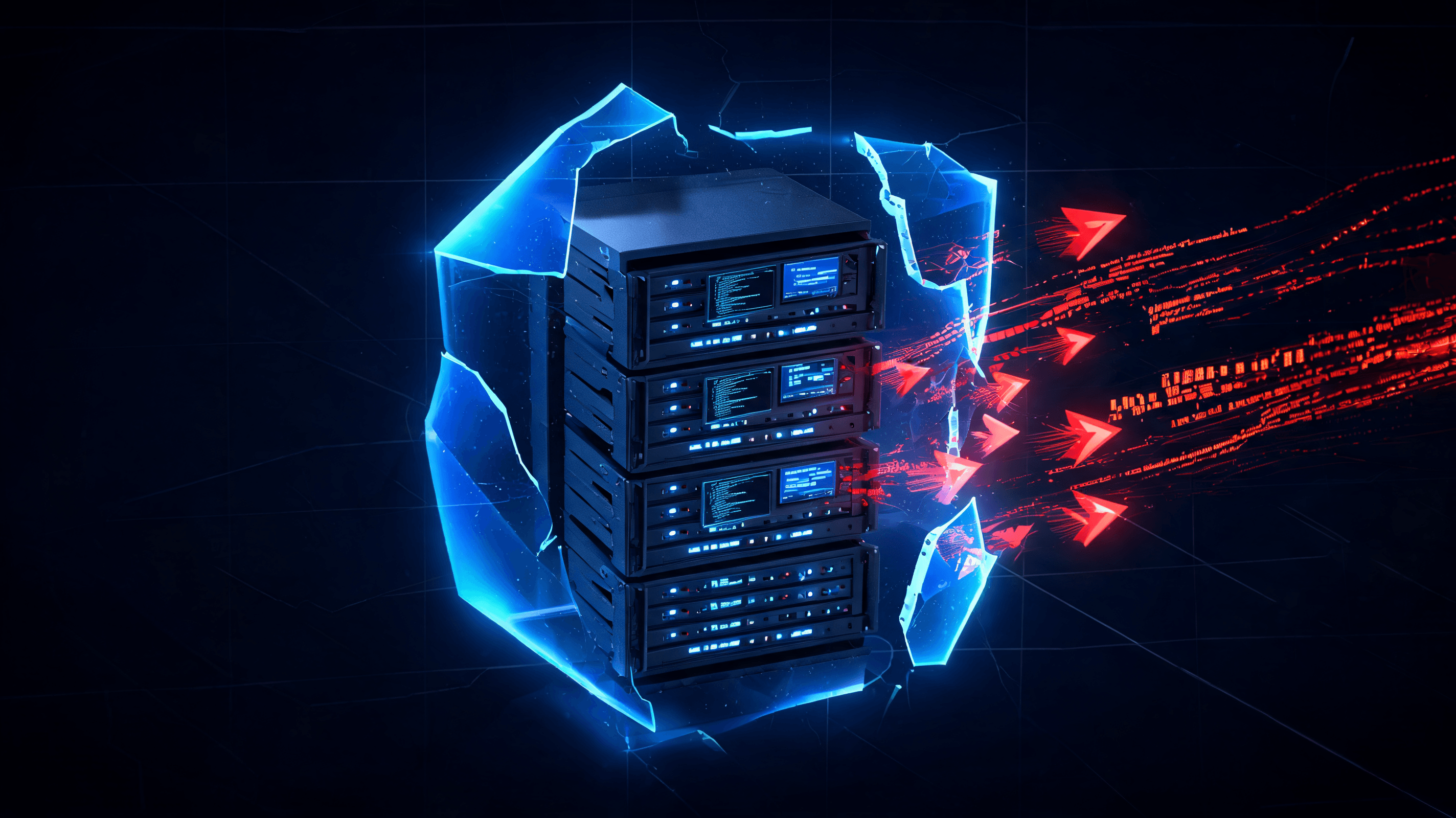
CopyFail: A Paradigm-Shifting Security Threat
A critical security vulnerability known as "CopyFail" has recently surfaced, sending shockwaves through the cybersecurity world. According to Ars Technica, it is widely considered the most severe threat to the Linux ecosystem in years. The vulnerability leaves global infrastructure administrators scrambling, as its reach extends from multi-tenant servers to CI/CD workflows and the foundational architecture of cloud computing: Kubernetes containers.
Mechanism and Scope of Impact
CopyFail strikes at the core vulnerabilities of modern Linux servers. Multi-tenant architectures rely heavily on robust isolation mechanisms to protect data, yet CopyFail effectively breaches these boundaries. For companies utilizing DevOps pipelines, the risk is amplified, as attackers can potentially hijack CI/CD workflows to exfiltrate proprietary source code or steal deployment credentials.
Implications for Cloud and Kubernetes
As the backbone of cloud-native computing, Kubernetes environments have proven particularly vulnerable to this threat. CopyFail forces cloud service providers and sysadmins to re-evaluate their fundamental security assumptions. This is not merely a software bug; it is a structural challenge that threatens the bottom-line reliability of the cloud.
Industry Response and Mitigation
Industry response has been swift. Cloud service providers have issued urgent advisories, urging users to heighten container monitoring and restrict access controls. Security researchers advise businesses to adopt a "Zero Trust" model, placing rigorous scrutiny on all access requests, particularly those interacting with mission-critical containers.
Protecting Your Linux Environment
In the face of this critical threat, system administrators are advised to take immediate action:
- Patch system kernels and security packages to the latest available versions.
- Audit Kubernetes configurations to ensure isolation layers are correctly hardened.
- Monitor CI/CD logs for signs of anomalous privilege escalation.
- Enforce the principle of least privilege, minimizing cross-process access within servers.
The CopyFail vulnerability serves as a stark reminder that even the most mature architectures, like Linux, harbor latent structural risks. This crisis may well catalyze a comprehensive industry-wide re-evaluation of low-level isolation technology in cloud environments.