

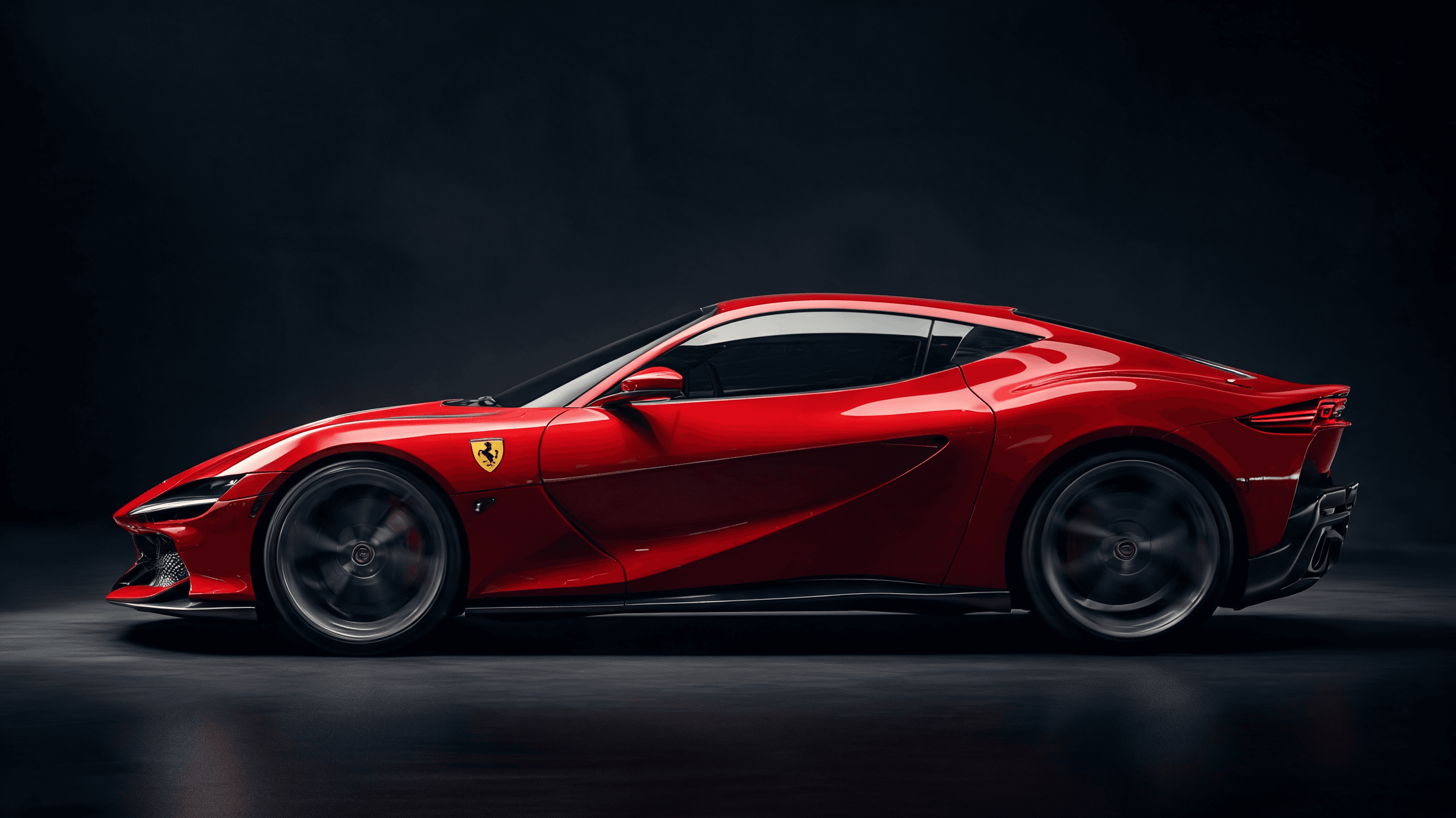
The Perils of Transitioning a Legend
Ferrari has long stood as the gold standard for Italian performance, built on the visceral roar of its signature V8 and V12 engines. As the automotive industry accelerates toward an all-electric future, Ferrari recently unveiled 'Luce,' its first fully electric supercar. Originally intended as a strategic response to the competitive pressure from the burgeoning Chinese electric vehicle market, the rollout has instead been met with a wave of severe backlash from fans and critics alike.
The Clash of Performance and Heritage
The heart of the criticism lies in whether Ferrari has betrayed its core identity. Critics argue that while electric supercars can achieve blistering speed, they often lack the emotional character and complex mechanical engagement that define the Ferrari experience. Fans have taken to the media, noting that the Luce's driving dynamics feel uninspired compared to the heritage models. In a market where luxury electric vehicles are already dominated by Tesla and high-end competitors, many observers feel the Luce fails to adequately bridge the gap between traditional Ferrari values and modern electrification.
Market Data and Trends
The negative reception of the Luce highlights the 'brand loyalty paradox' luxury automakers face when pivoting to digital and electric platforms. When a brand's foundation is built on mechanical engineering and the unique sensation of internal combustion, a simplified electric powertrain can inadvertently alienate a deeply loyal consumer base. Current sales forecasts suggest that potential buyers are taking a 'wait-and-see' approach, reflecting widespread skepticism about the company's commitment to its performance roots.
Industry Impact and Regulatory Pressures
The Luce situation serves as a cautionary tale for the European luxury automotive sector. Caught between tightening carbon emission regulations and the expectations of brand purists, traditional automakers are finding that the technical transition is significantly more complex than anticipated. Balancing compliance with the preservation of brand identity remains the central challenge for luxury manufacturers.
Future Outlook
For Ferrari, the Luce may represent a difficult, albeit necessary, trial. To regain the trust of its core demographic, the company may need to look toward future innovations—such as solid-state battery technology or advanced acoustic-simulation systems—that can replicate the emotional resonance of their legendary engines in an electric format. All eyes are now on Ferrari’s next move, as investors and enthusiasts wait to see how the brand navigates its most existential transition to date.