

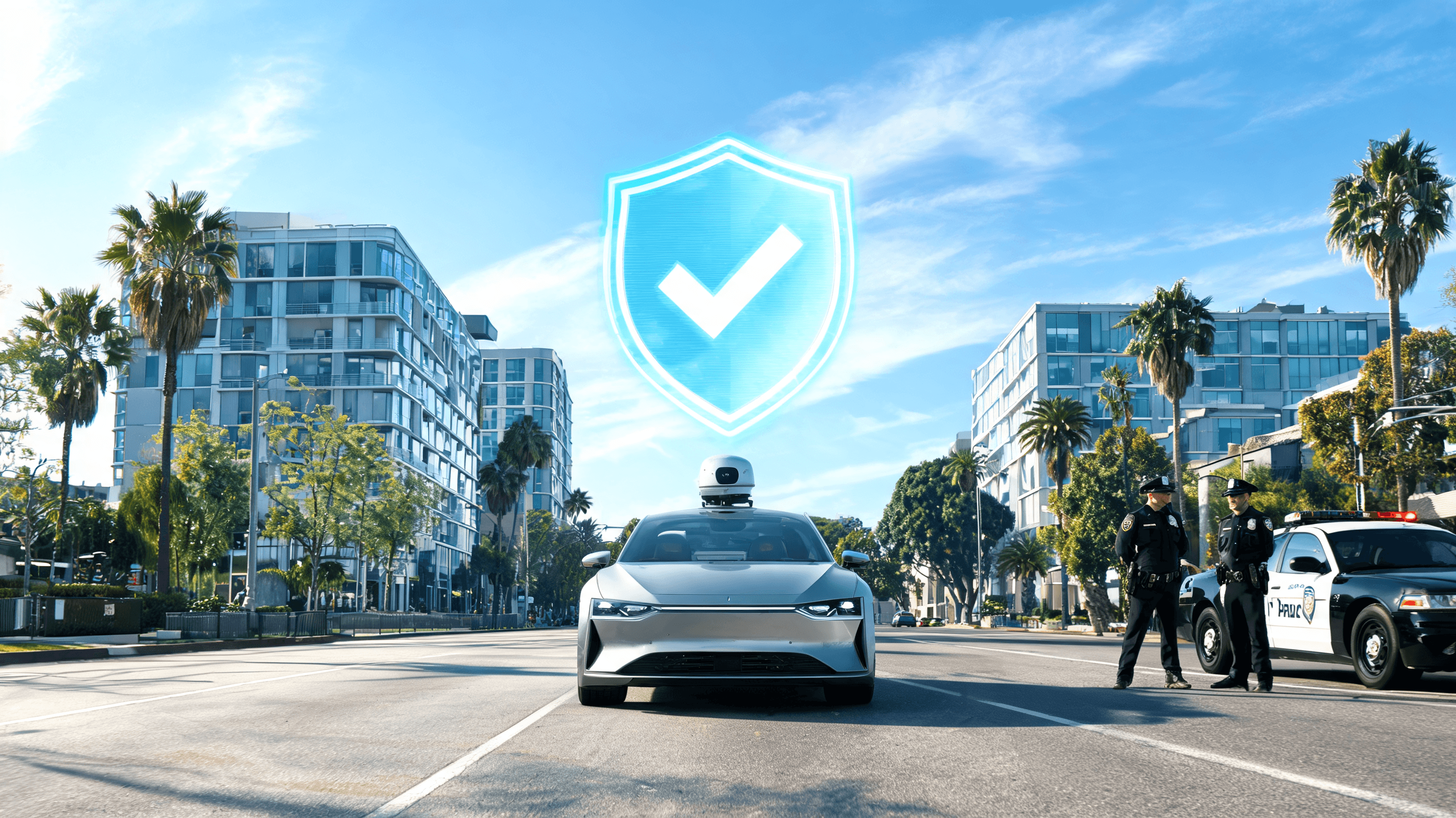
A New Chapter for Road Regulation
Starting July 1st, 2026, autonomous vehicles (AVs) on California roads will no longer enjoy immunity from traffic violations. The California Department of Motor Vehicles (DMV) recently announced a new regulatory framework that empowers law enforcement to issue 'notices of AV noncompliance' directly to autonomous vehicle manufacturers when their vehicles commit traffic infractions, such as running red lights or failing to yield.
Clarifying Liability
Historically, when a driverless car committed a traffic violation, authorities faced a legal vacuum: there was no human driver to ticket, and the existing laws were centered on individual responsibility. This regulatory shift explicitly assigns liability to the manufacturer. This is not merely a procedural change; it represents a significant response to increasing public concern regarding the safety and behavior of robotic drivers in urban environments. The new system forces developers to integrate stricter adherence to traffic laws into their AI training models.
Industry and Public Sentiment
The move has sparked intense debate within the AV industry. For developers, this creates new operational costs and legal risk profiles. However, from a policy perspective, it is viewed as a crucial step in integrating AI driving systems into modernized road management frameworks. As California is a global hub for autonomous vehicle testing, its enforcement standards are likely to serve as a bellwether for how other jurisdictions approach AV regulation.
Legal Implications and Outlook
Legal experts suggest that the core of this reform lies in clarifying corporate liability. The future will likely see significant legal arguments regarding the definition of 'software-as-a-driver' versus 'manufacturer responsibility.' As the implementation date approaches, manufacturers must strike a fine balance between rapid technical innovation and rigorous compliance with traffic statutes to avoid the risk of having their testing permits revoked due to repeat offenses.