

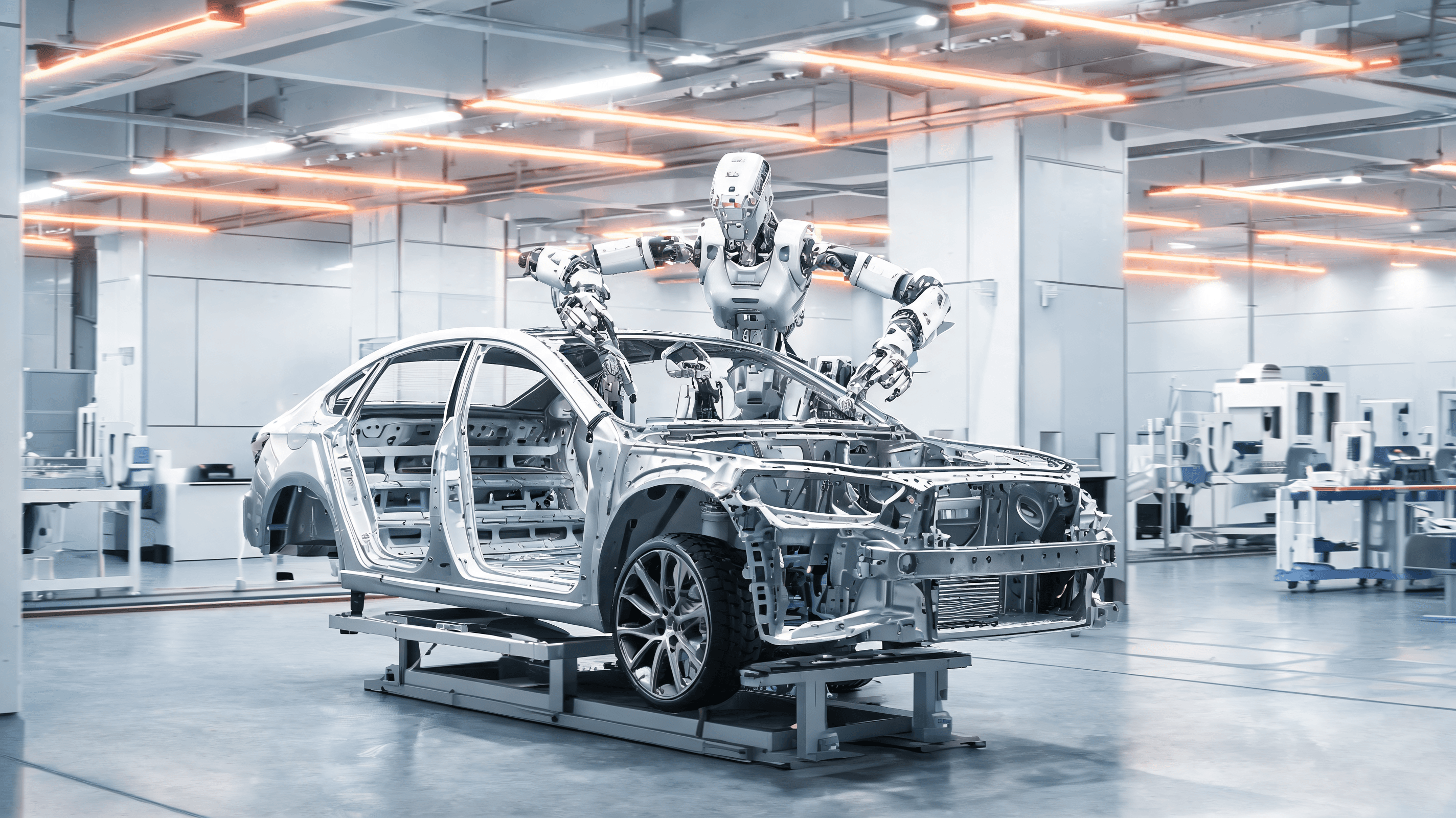
The Robotics Revolution on the Factory Floor
The automotive manufacturing sector is at an automation turning point. German automaker BMW has announced the introduction of humanoid robots to one of its European car plants, a shift that signifies the transition from traditional, fixed automation equipment to a more flexible human-robot collaborative model. This initiative is more than just a technology demonstration; it reflects a broader industry-wide shift toward flexible manufacturing.
According to BBC reports, BMW’s strategy builds upon lessons learned from similar projects currently operating in its US manufacturing facilities. The integration of humanoid robots is intended to take over repetitive tasks that require high precision and physical dexterity in challenging environments, effectively helping to alleviate the impact of structural labor shortages while enhancing overall factory throughput.
Technical Details and Industry Trends
As humanoid robotics technology matures, particularly regarding precise hand and limb motor control, these robots are becoming capable of increasingly complex assembly tasks. Recent reports on Chinese robotic hand designs—which have seen production costs for dexterous hands drop to as low as $600—show that humanoid robots are rapidly reaching the economic threshold required for mass production and commercial application.
According to an analysis by Wired, the core of this robotics revolution is "adaptability." While traditional industrial arms require expensive software and hardware re-engineering for every change, AI-driven humanoid robots can be trained to adapt to various production line configurations, significantly lowering the costs of future factory retooling.
Market Impact and Data
Search interest in this topic in Germany has reached 75, underscoring the deep concern and interest traditional European manufacturing sectors have in the automation transition. The rise of the humanoid robotics industry is accelerating the shift in supply chains from purely software-defined operations to integrated hardware systems featuring advanced power sensors, edge AI, and dexterous articulation.
Over the next few years, we expect to see the adoption of humanoid robots in automotive, logistics, and warehouse management sectors increase significantly. These machines are not merely replacing human labor but acting as productivity enhancers. In the future automotive factory, scenes of human-robot collaboration will become the norm.
Regulatory and Legal Context
The expansion of automated production simultaneously raises questions about industrial liability, labor regulations, and safety standards. As automated systems become more pervasive, occupational safety standards must evolve to address the potential risks of robots working in close proximity to human employees.
BMW’s demonstration effect will likely encourage other manufacturers to follow suit, potentially driving the creation of more nuanced safety standards for production robotics within Europe. We will continue to track the performance of these robots on the factory floor and their long-term impact on manufacturing efficiency.